Maç sonuçlarına bahis yapmak bettilt isteyen kullanıcılar kısmını tercih ediyor.

Her oyuncu bahsegel güvenlik için politikalarına dikkat ediyor.

Yüksek ses efektleri ve renkli animasyonlar, bettilt giriş slot oyunlarını daha eğlenceli hale getirir.

Sporseverler için yüksek oranların sunulduğu pinco bölümü öne çıkıyor.

Avrupa’daki lisanslı platformların %85’i canlı oyun hizmeti sunmaktadır; bettilt giriş bu segmentte güçlü bir altyapıya sahiptir.

2026 yılında piyasaya çıkacak olan bahsegel daha gelişmiş bir arayüz sunacak.

Türk oyuncuların favori stratejilerinden biri “kırmızıya sabit kalma”dır, bu taktik bahsegel giriş blogunda açıklanır.

Engineering and Prototype Drawing Services

All too often, at Blue Ring Technologies, we run into the same problem. A client wants to manufacture a particular plastic product either designed by them or by an industrial designer. We inspect the file and quickly find that design is entirely un-manufacturable. This is a prevalent issue that rises in our community over and over again. In this blog, I want to address some of the typical lookouts you can use to review the design before taking to injection molding manufacturing. If possible, please consult with us at Blue Ring Technologies before you invest time and money into the project.

The Importance of Uniform Wall Thicknes

One of the most common issues we see is that in the world of plastics we cannot make parts extremely thick. They have limitations but also workarounds. Typical Resin Thickness is shown in the chart below:

Typical Plastic ResinsInches
ABS0.045 – 0.140
Acrylic0.025 – 0.500
Nylon0.030 – 0.115
Polycarbonate0.040 – 0.150
Polyethylene0.030 – 0.200
Polypropylene0.025 – 0.150
Polyurethane0.080 – 0.750
Wall Thickness

Material Selection

Plastic has different suggested wall thickness and strengths and weaknesses. It is essential that designing the part with a specific material from the begging is very important. Please check this Blog about the material selection to understand the differences.
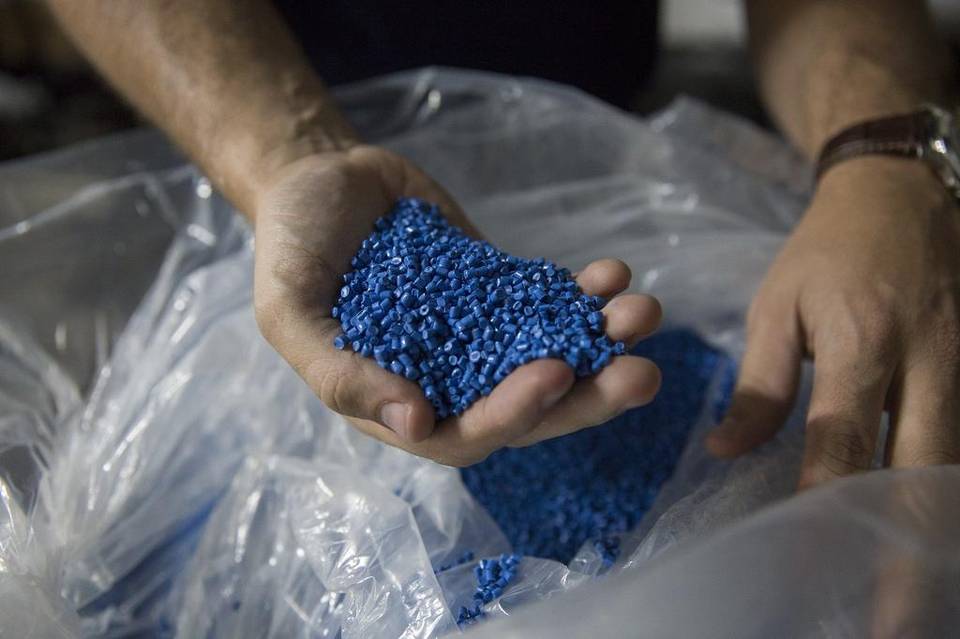
material selection for your product

Parting Line

Selection of Parting line of parts is the utmost importance we considering in plastic manufacturing. Undercuts, cams, sliders all affect the engineering design of the parts. The parting line is usually selected from the part orientation in which the mold is open and closed during the injection mold process. During the engineering design process, one can create the design in a certain way to create a simplified parting line. As a result, ultimately save you in mold cost.

Form-Fitting Assembly and Stress Simulation

We often see files that simply look fine, but the parts are never simulated to see if the parts form to fit into each other, for instance In engineering school, one of the first things you learn is giving tolerance to parts commonly overlooked by designers only to have disastrous results. A 3D engineering file should be mated and assembled together to simulate how parts form-fitted, as shown below.
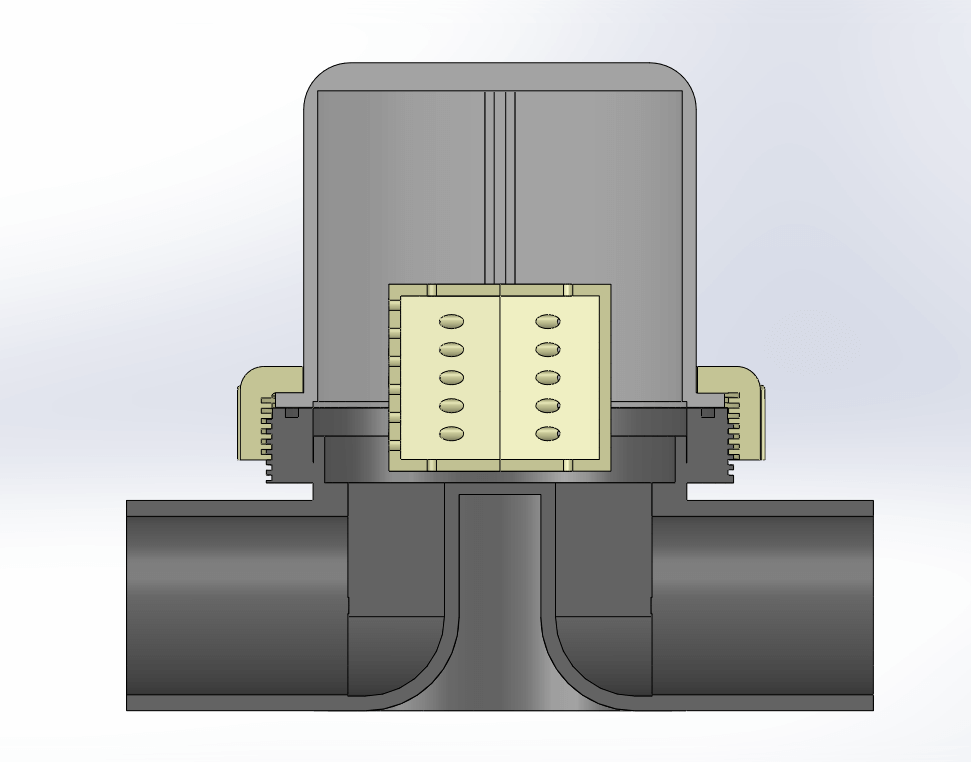
Fitting assembly

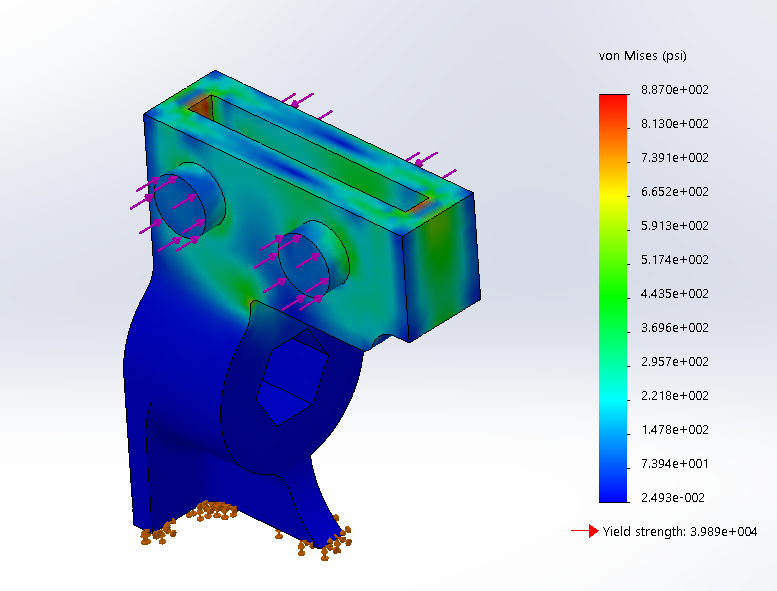
Another common problem we encounter is selecting the materials and the possible stress forces applied to the part. This can cause clients much heartache when their product is tested or in the field only to find out a part cracked or broke due to the stress encounter. It is a good idea to use some of the stress simulations below to properly understand failure points and the potential to resolve them through design.
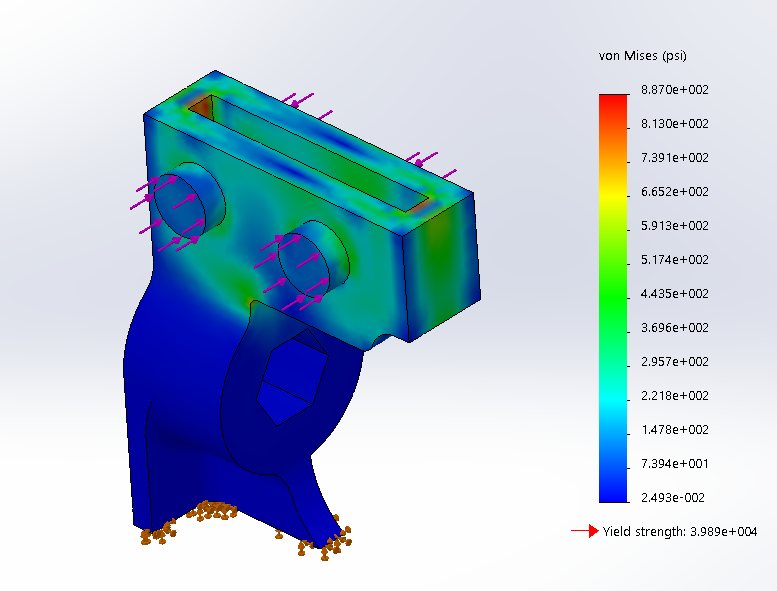
3D simulation parts

Our Mission at Blue Ring Technologies

In conclusion, At Blue Ring Technologies, we pride ourselves on having the ability to design, engineer, simulate, prototype, and manufacture, all in our facility. We are a unique shop that considers a vast wide of factors that ultimately save your time and money.

Please take into consideration all these factors next time you take a project and give us a call at 305-707-4251. We will be more than happy to guide you through the process of product development.

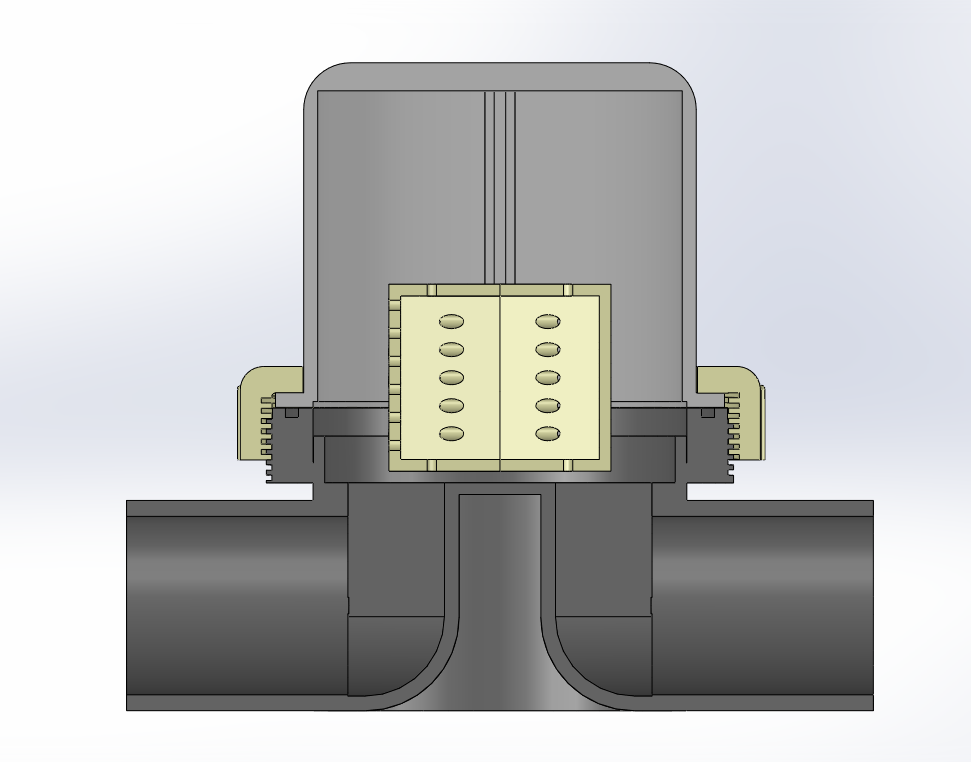
What really do you get with Engineering and Prototype Drawing Services?


Engineering and Prototype Drawing Services

All too often at Blue Ring Technologies we run into the same problem. A client wants to manufacture a particular plastic product which they may have designed themselves, or had designed by an industrial designer. We inspect the file and quickly find that the design is completely un-manufacturable. This issue arises in our community over and over again. In this blog, I want to address some of the common look outs you can use to review the design before taking to injection molding manufacturing. If possible, please consult with us at Blue Ring Technologies before you invest time and money in the project.

Uniform Wall Thickness

One of the most common issues we see is that in the world of plastics we cannot make parts extremely thick. However, there are ways to work around the limitations this causes. Typical Resin Thicknesses are shown in the chart below:

Typical Plastic Resins Inches
ABS 0.045 – 0.140
Acrylic 0.025 – 0.500
Nylon 0.030 – 0.115
Polycarbonate 0.040 – 0.150
Polyethylene 0.030 – 0.200
Polypropylene 0.025 – 0.150
Polyurethane 0.080 – 0.750


Material Selection

Plastic has different suggested wall thicknesses, strengths, and weaknesses. It is very important that the part is designed with a specific material from the beginning. Please read one of our previous blogs about material selection to understand the differences between them.

https://blueringtechnologies.com/plastics/

Parting Line

Selecting the parting line of parts is of the utmost importance in plastic manufacturing. Undercuts, cams, and sliders all affect the engineering design of the parts. The parting line is usually selected from the part orientation in which the mold is open and closed during the injection mold process. During the engineering design process, you can create the design in such a way as to create a simplified parting line that will ultimately save you in mold cost.

Form-Fitting Assembly and Stress Simulation

All too often we see files that look acceptable; however, their parts are never simulated to see if each form-fits into the others. In engineering school one of the first things you learn is to give tolerance to parts, something which is commonly overlooked by designers, with disastrous results. A 3D engineering file should be mated and assembled to simulate how parts are form-fitted, as shown below.


We also commonly encounter problems in the selection of material and the possible stress forces applied to the part. This can cause clients much heartache when their product is tested or used in the field only for part to be cracked or broken due to a stress encounter. It is a good idea to use some of the stress simulations below to properly understand failure points and how these can be resolved through design.

Engineering Drawing Prototype Services


Blue Ring Technologies

At Blue Ring Technologies, we pride ourselves on our ability to design, engineer, simulate, prototype, and manufacture everything in our own facility. We are a unique shop and we cover a vast range of factors that will ultimately save you time and money. Please take into consideration all these factors next time you take on a project, and give us a call at 305-707-4251. We will be more than happy to guide you through the process of product development.
Prototypes

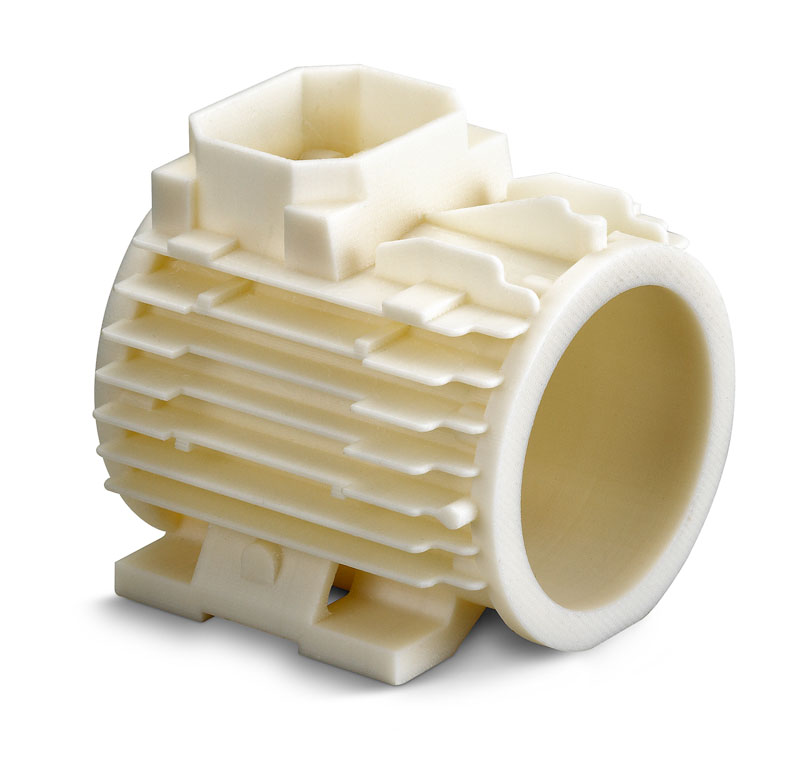
We live in a truly amazing time of innovation and ideas. In the past, in order to get a prototype working, you would find yourself in the garage drilling, sanding, and grinding stock material until you got the desired shape. However, with the advent of new technologies, such as 3D Printing, CNC Milling, and Mold Casting, we can offer our clients a wide variety of ways to create their prototypes at a very affordable cost. The end goal of prototypes is to be manufacturable and mass-produced, something that we fully understand and strive to offer our clients at Blue Ring Technologies. 3D Printing: 3D Printing is obviously one of the hottest topics in the manufacturing world. It is a tool that slices your part and creates many layers (think of bread slices at a microscopic scale). It is the single most affordable way to create prototypes. We offer our clients two choices when 3D printing their prototype: Fused Deposition Modeling (FDM) or Polyjet. FDM is used when the desired parts can tolerate specifications of .007 inches. This is usually acceptable for many of our clients and is the most affordable route.

3d_printed_block1

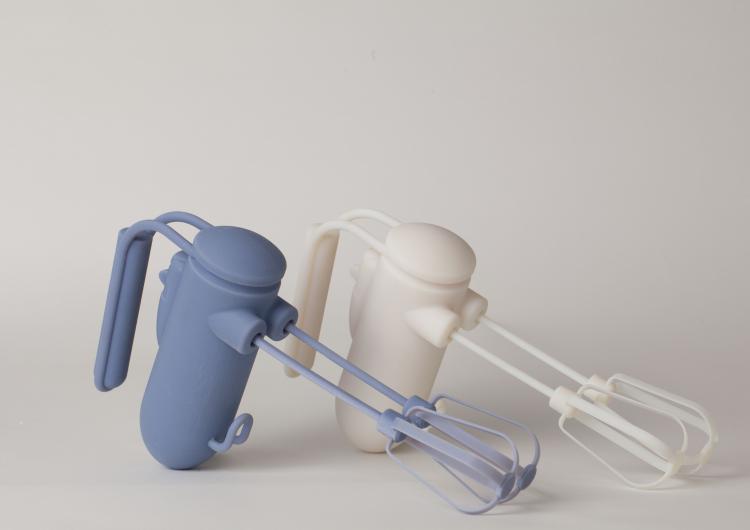
Polyjet technology is similar to a household paper printer, in which droplets of material are used to create a part. Polyjet is used for clients that need prototypes with ultra-precision, somewhere in the realm of .002 inches. The great thing about Polyject technology is that it allows for a wide variety of materials from which to produce the prototype. The material options include ABS, PLA, Rubber-Like, Transparent and many more.

3d_printed_mixer1

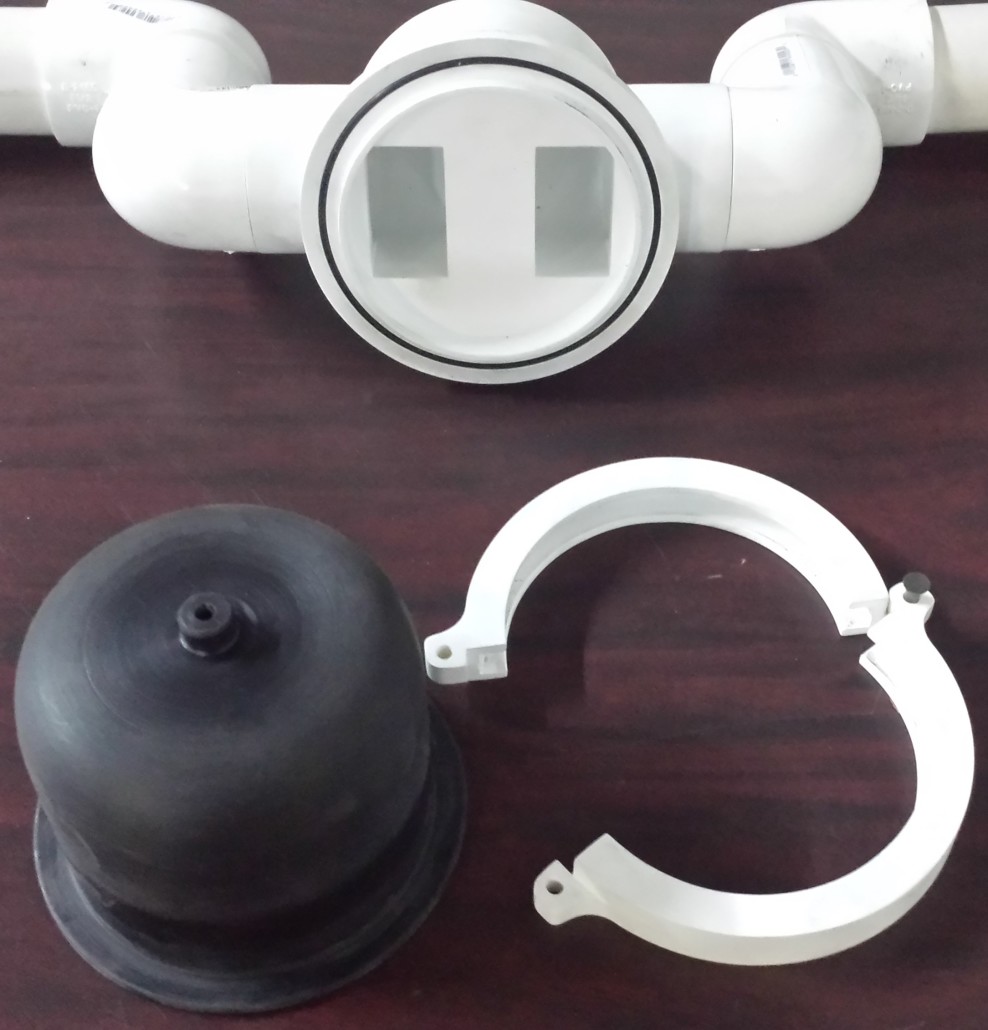
CNC Milling: Before the explosion of 3D Printing, the go-to method for creating a prototype was a CNC machine that would carve the desired material stock. There are many advantages to using a CNC machine prototype over a 3D printed one. One benefit is that the stock material matches the structural integrity of the final product more than in any other method of prototyping. I usually recommend CNC milled prototypes whenever liquid or pressure is involved. CNC milled prototypes are sometimes indistinguishable from the real thing and can even be used for functional testing. https://www.youtube.com/watch?v=n6WL5YP7mGM

cnc_prototype-988x10301

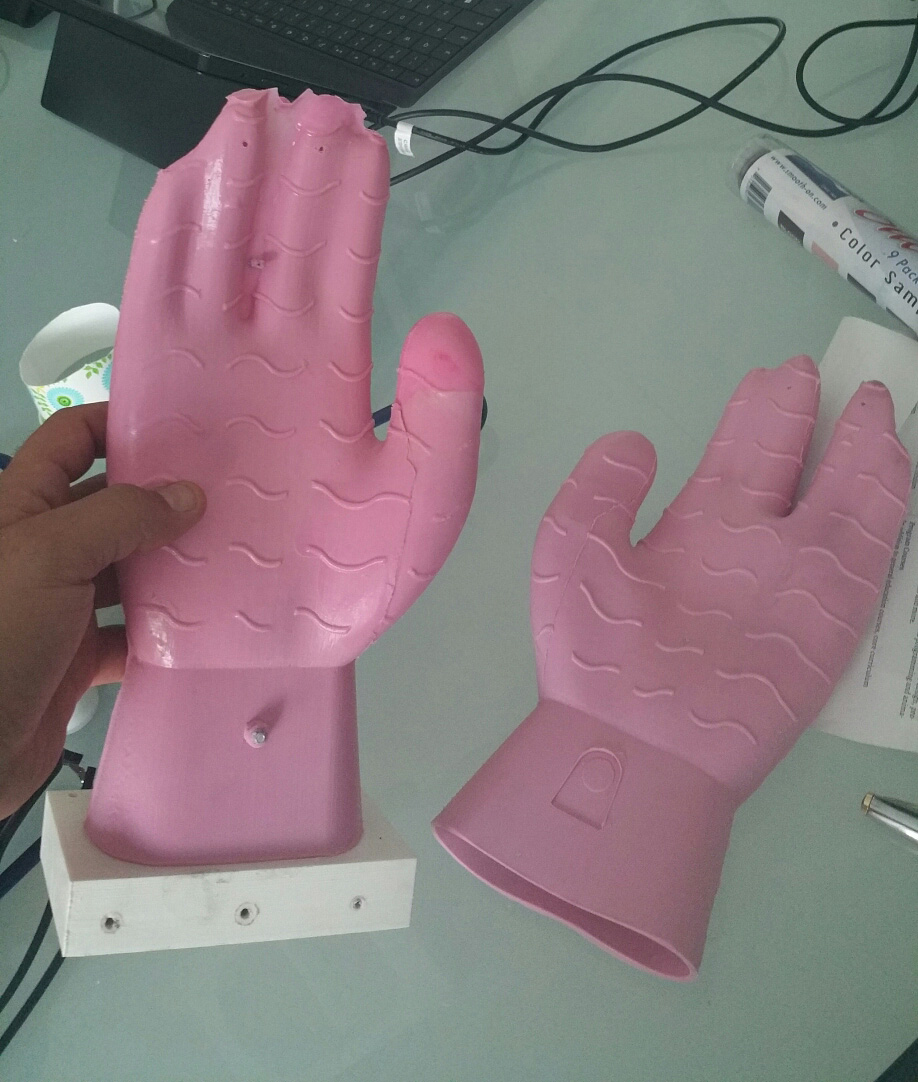
Mold Casting: Mold Casting is a great way to create complicated organic curve products. More specifically, products that require extreme flexibility and elasticity should be formed using a Mold Casting method. Mold casting is usually done with either a metal or plastic mold, where a resin is poured into the mold to create the desired shape. Our clients have been thrilled with the results, as we have provided a unique solution to a common problem that has not easily been found anywhere else. At Blue Ring Technologies, we will find a solution to your prototyping needs, no matter how complex the project might be. 3D Printing, CNC Milling and Mold Casting are the typical rapid prototype methods we use, but technology is always moving forward. We are constantly researching, experimenting and testing different manufacturing and prototyping methods to provide you, our clients, with a full range of innovative options that you expect from us. 20150910_1745251