
How 3D Printing is Transforming Modern Product Development
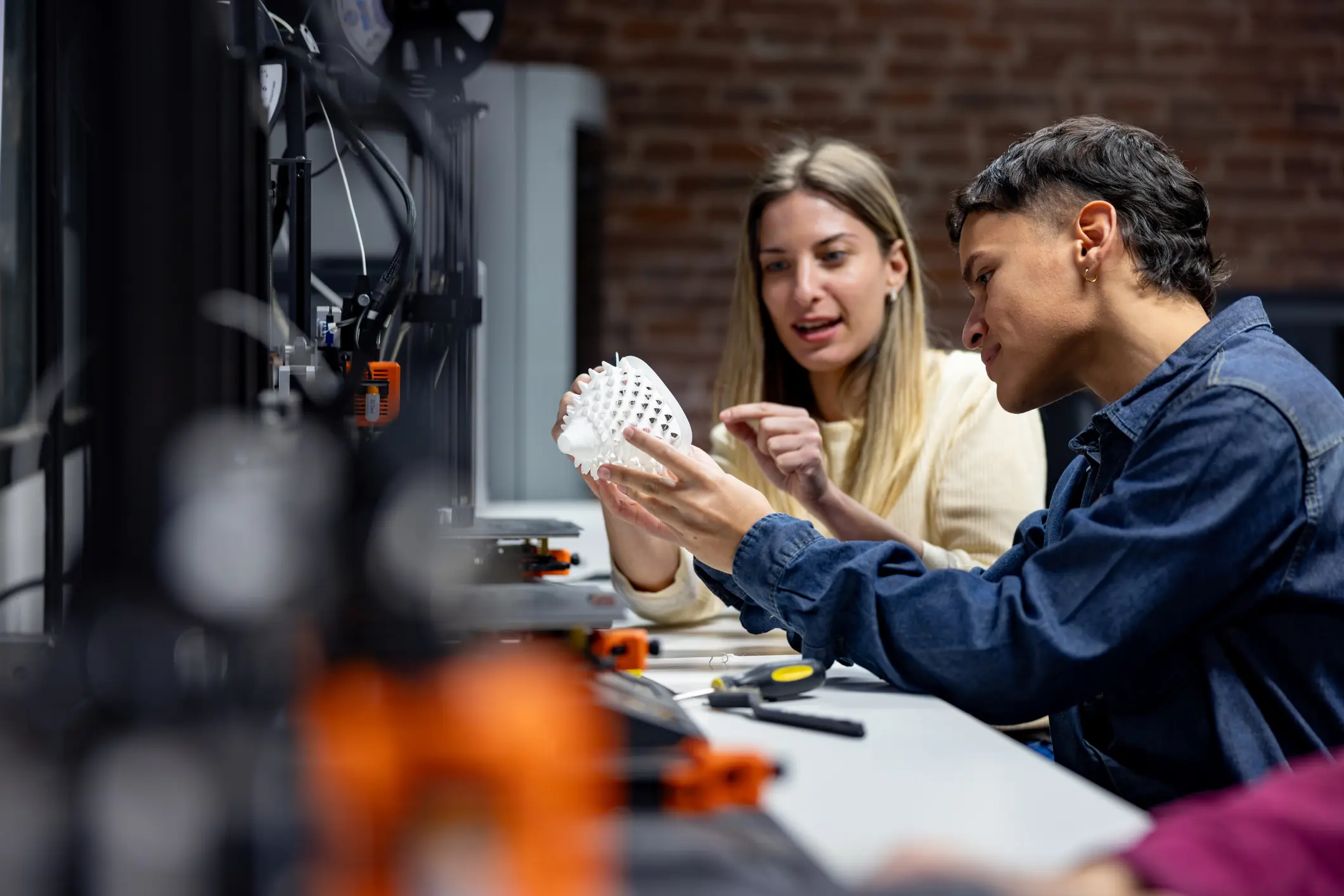
Introduction to 3D Printing in Modern Manufacturing
3D printing has rapidly evolved from a niche prototyping tool into one of the most influential technologies in modern manufacturing and product development. Businesses across industries now use additive manufacturing to accelerate design cycles, improve innovation, and create physical models faster than ever before.
Unlike traditional manufacturing processes that remove material through cutting or machining, 3D printing builds objects layer by layer using digital design data. This additive approach allows engineers and designers to create complex shapes that would be difficult or impossible to produce using conventional methods.
Today, 3D printing is widely used for product prototyping, design validation, concept development, and even limited production. As the technology continues to advance, companies are discovering new ways to integrate 3D printing into their development workflows. The result is faster product innovation, lower development costs, and improved collaboration across design and engineering teams.
Understanding the 3D Printing Process
At its core, 3D printing begins with a digital model created using computer-aided design software. Engineers design a product in a 3D environment and export the model into a format that can be interpreted by a 3D printer.
The printer then divides the digital model into thin horizontal layers. During the printing process, the machine deposits or solidifies material layer by layer until the full object is formed. Each layer bonds with the one beneath it, gradually building the final three-dimensional structure.
Different types of 3D printing technologies use different materials and processes. Some printers melt plastic filament, while others use liquid resins that harden under ultraviolet light. Industrial systems may also work with powders, metals, or advanced composite materials.
Despite the differences in technology, the core advantage remains the same. 3D printing transforms digital designs directly into physical objects without requiring molds or complex tooling.
Why 3D Printing is Valuable for Product Development
One of the greatest advantages of 3D printing is speed. Traditional manufacturing methods often require tooling, molds, or extensive setup before parts can be produced. These steps can take weeks or even months, depending on the complexity of the product.
3D printing eliminates much of this preparation time. Designers can create a digital model and produce a prototype within hours or days. This rapid turnaround allows development teams to test ideas quickly and make improvements early in the design process.
Another key benefit is flexibility. Because 3D printing relies on digital models, design changes can be implemented immediately. Engineers can modify a design, print a new prototype, and evaluate the updated version without waiting for new tooling.
This flexibility encourages experimentation and innovation. Teams can explore multiple design variations and compare them directly, leading to more refined and optimized final products.
Rapid Prototyping and Design Validation
Rapid prototyping is one of the most common applications of 3D printing in product development. Instead of relying solely on digital simulations, teams can create physical models that demonstrate how a product will look and function in the real world.
Holding a prototype in hand allows designers and engineers to evaluate ergonomics, proportions, and structural characteristics more effectively. Small design adjustments that may not be obvious on a computer screen often become clear when examining a physical model.
Prototypes are also useful for demonstrating concepts to stakeholders, investors, or marketing teams. A physical model helps communicate the product vision more clearly than drawings or digital renderings alone.
Through multiple iterations of prototyping and testing, teams can refine product designs before committing to production. This process reduces development risk and ensures the final product meets both functional and user experience requirements.
Supporting Innovation Through Design Freedom
Traditional manufacturing methods often impose limitations on product design. For example, machining processes may restrict certain geometries, and injection molding requires specific draft angles and structural considerations.
3D printing removes many of these limitations. Because parts are built layer by layer, designers have greater freedom to experiment with complex shapes, internal structures, and lightweight geometries.
This design flexibility encourages creative problem solving. Engineers can explore structures that optimize strength while minimizing material usage. Products can be designed with internal channels, lattice structures, or unique shapes that improve performance.
Design freedom is particularly valuable during early product development stages when innovation and experimentation are most important. By allowing teams to test unconventional ideas, 3D printing helps push the boundaries of product design.
Materials Used in 3D Printing
The materials used in 3D printing vary depending on the technology and the intended application. Many prototyping systems use thermoplastic materials such as ABS, PLA, or nylon. These materials are strong enough to simulate functional components while remaining easy to print.
Other systems rely on photopolymer resins that produce highly detailed models with smooth surface finishes. These materials are often used for design presentations or visual prototypes.
Industrial 3D printing technologies can also work with advanced materials, including high-performance polymers and metal powders. These materials enable the production of functional components capable of withstanding demanding mechanical environments.
Choosing the right material depends on several factors, including strength requirements, heat resistance, flexibility, and surface finish. Engineers often evaluate these characteristics carefully to ensure prototypes accurately represent the final product.
Integrating 3D Printing With Traditional Manufacturing
Although 3D printing offers many advantages, it is often used alongside traditional manufacturing processes rather than replacing them entirely. Technologies such as injection molding remain essential for high volume production.
Instead, 3D printing serves as a powerful complement to these manufacturing methods. It supports the early stages of product development by enabling rapid design evaluation and testing.
Once the design has been validated through prototyping, manufacturers can transition to production processes that are optimized for larger volumes. This combination of additive manufacturing and traditional production methods creates a balanced and efficient development strategy.
By integrating these technologies, businesses can reduce development time while ensuring their products are ready for scalable manufacturing.
Improving Collaboration Across Development Teams
Product development involves collaboration between designers, engineers, manufacturers, and marketing teams. Clear communication between these groups is essential for successful product launches.
3D printing improves collaboration by providing physical models that everyone can evaluate and discuss. Instead of interpreting complex drawings or digital files, stakeholders can examine a tangible prototype.
This shared reference point helps align expectations across teams. Designers can explain product features more clearly, engineers can identify technical considerations, and marketing teams can begin planning product presentation strategies.
The result is a more coordinated development process that supports faster decision making and improved product outcomes.
Bringing Your Product Ideas to Life
Turning a product concept into a real object requires the right combination of design expertise, engineering knowledge, and advanced manufacturing tools. 3D printing provides an efficient pathway for transforming digital concepts into physical prototypes that can be evaluated, refined, and improved.
For businesses developing new products, additive manufacturing offers an opportunity to accelerate development timelines and explore creative design solutions. By producing accurate models quickly, teams can test ideas, validate functionality, and prepare for full-scale manufacturing.
Working with experienced manufacturing professionals ensures that prototypes are created with the right materials, precision, and technical insight needed for successful product development. From early concept validation to preparation for production, 3D printing plays a vital role in modern innovation.