Maç sonuçlarına bahis yapmak bettilt isteyen kullanıcılar kısmını tercih ediyor.

Her oyuncu bahsegel güvenlik için politikalarına dikkat ediyor.

Yüksek ses efektleri ve renkli animasyonlar, bettilt giriş slot oyunlarını daha eğlenceli hale getirir.

Sporseverler için yüksek oranların sunulduğu pinco bölümü öne çıkıyor.

Avrupa’daki lisanslı platformların %85’i canlı oyun hizmeti sunmaktadır; bettilt giriş bu segmentte güçlü bir altyapıya sahiptir.

2026 yılında piyasaya çıkacak olan bahsegel daha gelişmiş bir arayüz sunacak.

Türk oyuncuların favori stratejilerinden biri “kırmızıya sabit kalma”dır, bu taktik bahsegel giriş blogunda açıklanır.

3D Scanning

3D Scanner Blog Article

You’ve probably seen 3D scanners in action – on your television. They are often used in documentaries, particularly those related to art, archaeology, or history. Often the depiction in these programmes appears very high tech. The technology used in 3D scanners is advanced, but 3D scanners are incredibly accessible and are used in a range of industries on a daily basis. They improve accuracy, save time, and help deliver a return on investment.

What is 3D Scanning?

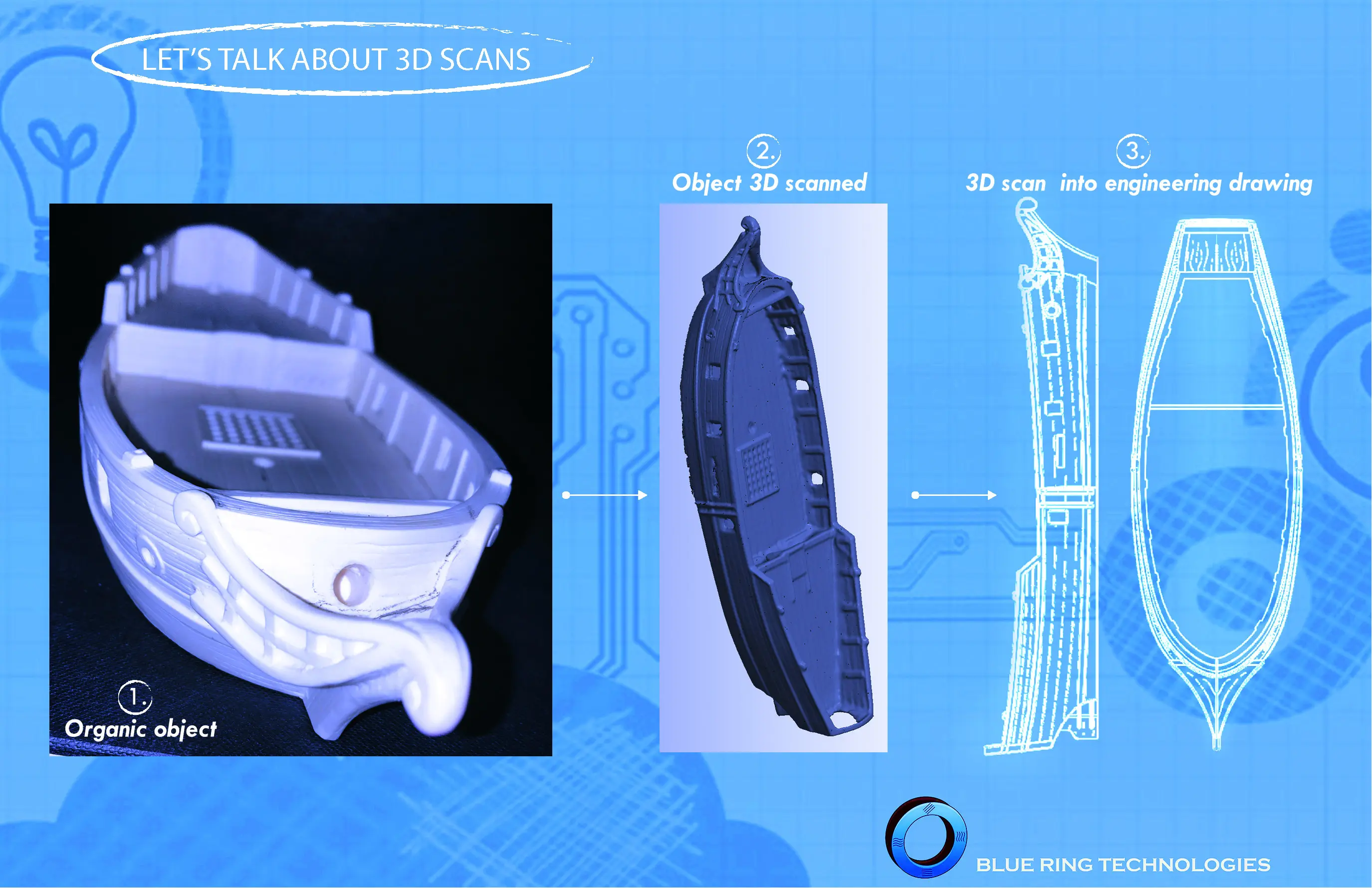
A 3D scanner’s job is to capture the shape of a physical object. Most modern scanners use lasers so never touch the object. The scan creates a digital 3D representation of the object that is exactly the same size and shape of the original, including all the details. In fact, good quality 3D scanners can capture very fine details.

How 3D Scanning Works?

Many modern 3D scanners are based on laser technology. The laser in the scanner moves across the surface of the object. This works in conjunction with a series of cameras which captures an image of the object in 3D.

In fact, what the cameras are actually capturing is points on the surface of the object – millions of points for one object, all captured very quickly. All these points are then put back together with a computer programme (such as a CAD programme) to create a point cloud that is the same size and shape as the original object. In other words, a digital version of the physical object.

There are also contact 3D scanners in addition to laser. They work slightly differently, but the end result is the same – a digital 3D model of the object. Instead of a laser, contact 3D scanners have a probe which physically touches the object to create the digital model.

Benefits of 3D Scanning

  • Quick method of obtaining the physical measurements of almost any size of object
  • Reduces design time
  • Improves accuracy in design
  • Ability to check built models against an original design

Practical Applications

The practical applications for 3D modelling are wide and varied, and new uses for the technology are being discovered all the time. As a result, 3D modelling is used in a number of sectors including engineering, manufacturing, design, testing, and more. The industries that use 3D scanners include automotive, surveying, medicine, aerospace, marine, art, movie and television production, architecture, the entertainment industry, and more.

Most of these industries and sectors use 3D scanners to create 3D models for:

  • Product design – this can take many forms, including scanning an object that becomes the basis for a new product
  • Object analysis – this typically involves manufacturing an object (a component for a machine, for example) and then scanning it to check whether the built version of the object matches the design
  • Reverse engineering – there are a number of applications for reverse engineering, including scanning obsolete components so they can be manufactured again

As with most technologies, the quality of 3D scanners can vary, as can the expertise of the operator. At Blue Ring Technologies, we only use high quality machines plus all our staff are highly skilled and experienced at scanning objects of just about any size or complexity.

What really do you get with Engineering and Prototype Drawing Services?


Engineering and Prototype Drawing Services

All too often at Blue Ring Technologies we run into the same problem. A client wants to manufacture a particular plastic product which they may have designed themselves, or had designed by an industrial designer. We inspect the file and quickly find that the design is completely un-manufacturable. This issue arises in our community over and over again. In this blog, I want to address some of the common look outs you can use to review the design before taking to injection molding manufacturing. If possible, please consult with us at Blue Ring Technologies before you invest time and money in the project.

Uniform Wall Thickness

One of the most common issues we see is that in the world of plastics we cannot make parts extremely thick. However, there are ways to work around the limitations this causes. Typical Resin Thicknesses are shown in the chart below:

Typical Plastic Resins Inches
ABS 0.045 – 0.140
Acrylic 0.025 – 0.500
Nylon 0.030 – 0.115
Polycarbonate 0.040 – 0.150
Polyethylene 0.030 – 0.200
Polypropylene 0.025 – 0.150
Polyurethane 0.080 – 0.750


Material Selection

Plastic has different suggested wall thicknesses, strengths, and weaknesses. It is very important that the part is designed with a specific material from the beginning. Please read one of our previous blogs about material selection to understand the differences between them.

https://blueringtechnologies.com/plastics/

Parting Line

Selecting the parting line of parts is of the utmost importance in plastic manufacturing. Undercuts, cams, and sliders all affect the engineering design of the parts. The parting line is usually selected from the part orientation in which the mold is open and closed during the injection mold process. During the engineering design process, you can create the design in such a way as to create a simplified parting line that will ultimately save you in mold cost.

Form-Fitting Assembly and Stress Simulation

All too often we see files that look acceptable; however, their parts are never simulated to see if each form-fits into the others. In engineering school one of the first things you learn is to give tolerance to parts, something which is commonly overlooked by designers, with disastrous results. A 3D engineering file should be mated and assembled to simulate how parts are form-fitted, as shown below.


We also commonly encounter problems in the selection of material and the possible stress forces applied to the part. This can cause clients much heartache when their product is tested or used in the field only for part to be cracked or broken due to a stress encounter. It is a good idea to use some of the stress simulations below to properly understand failure points and how these can be resolved through design.

Engineering Drawing Prototype Services


Blue Ring Technologies

At Blue Ring Technologies, we pride ourselves on our ability to design, engineer, simulate, prototype, and manufacture everything in our own facility. We are a unique shop and we cover a vast range of factors that will ultimately save you time and money. Please take into consideration all these factors next time you take on a project, and give us a call at 305-707-4251. We will be more than happy to guide you through the process of product development.