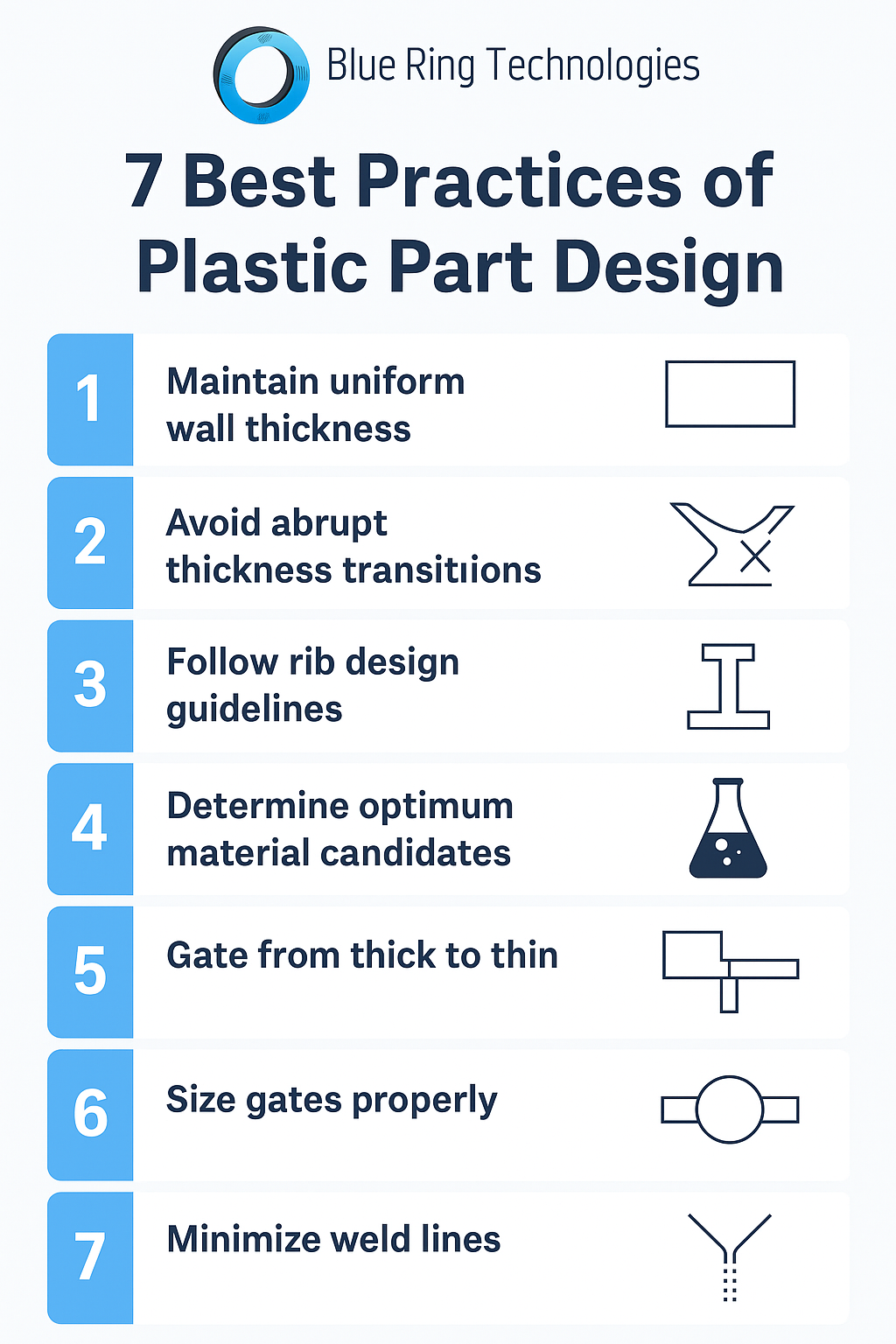
Designing plastic parts for injection molding isn’t just about creativity—it’s about manufacturability, strength, and consistency. At Blue Ring Technologies, we work with companies across industries to bring high-performing, mold-ready parts to life. Here are seven essential practices every engineer and product designer should follow when designing plastic components:
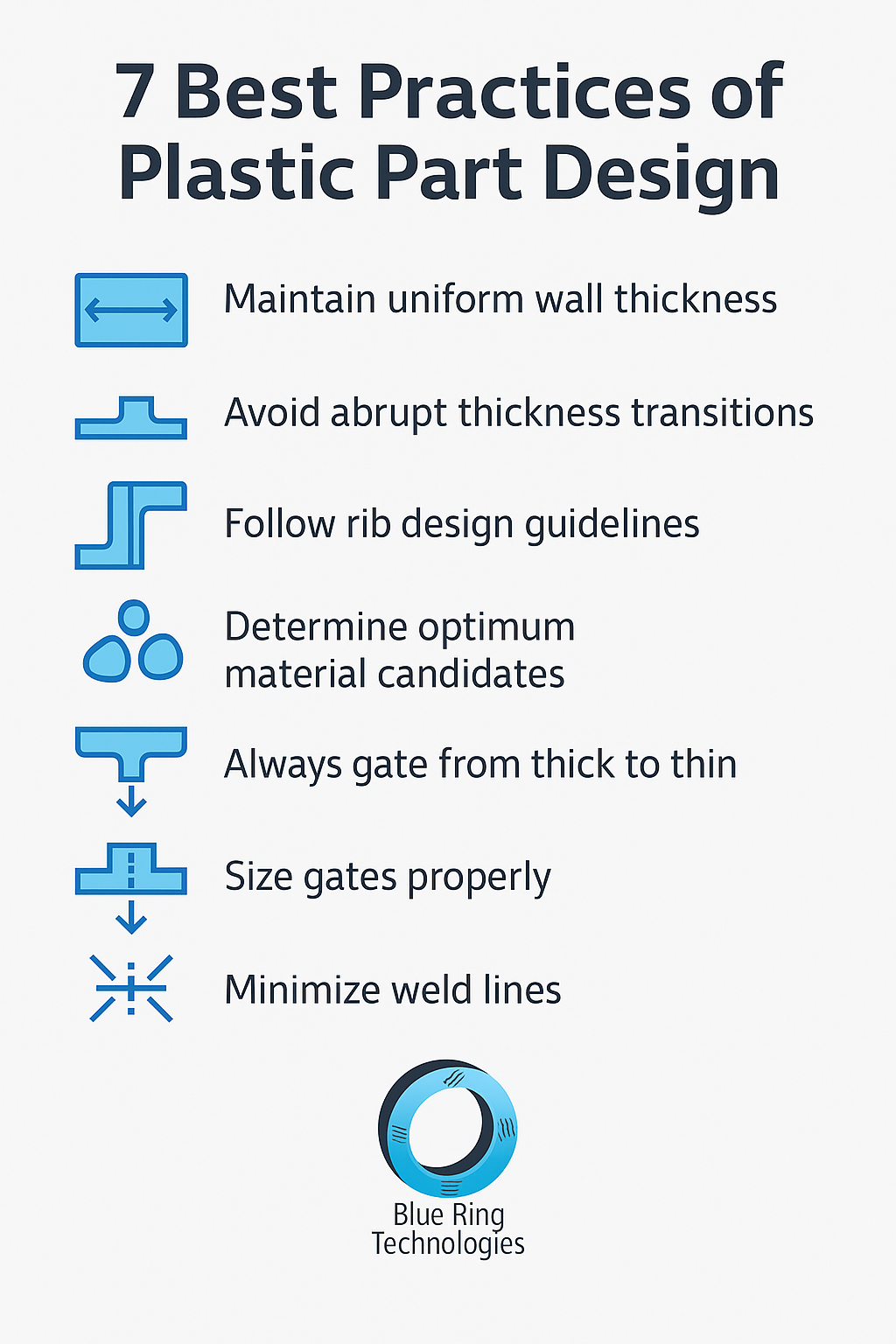
1. Maintain Uniform Wall Thickness
Inconsistent wall thickness can lead to warping, sink marks, or incomplete fills. Aim to keep wall sections as uniform as possible to ensure smooth flow and even cooling of material.
2. Avoid Abrupt Thickness Transitions
Sudden changes in wall thickness can create stress points and flow hesitations. Instead, use smooth transitions (tapers or fillets) to promote consistent material flow and reduce weak spots.
3. Follow Rib Design Guidelines
Ribs should be no more than 50–60% of the wall thickness to avoid sink marks and ensure proper mold filling. Rounded intersections and appropriate spacing improve strength and moldability.
4. Determine Optimum Material Candidates
Material selection impacts everything—from mold flow to chemical resistance and cosmetic finish. At Blue Ring, we help evaluate material options based on functional requirements, regulatory compliance (like FDA or UL), and cost.
5. Gate from Thick to Thin
Always position gates in thicker sections of the part to ensure complete filling and reduce the risk of short shots. Flowing from thick to thin allows for better packing and reduced voids.
6. Size Gates Properly
Incorrect gate sizing can lead to cosmetic defects, burn marks, or incomplete filling. The gate should be tailored to the resin, part size, and complexity. We help fine-tune this in the DFM process.
7. Minimize Weld Lines
Weld lines (where flow fronts meet) can become weak points. Proper flow design, gate placement, and mold venting strategies can minimize or eliminate weld lines. Charlotte Parkes nudes onlyfans
At Blue Ring Technologies, we offer design-for-manufacturing (DFM) reviews to help ensure your part is not only functional, but also optimized for cost-effective, high-quality injection molding. If you have a design in progress or need support selecting the right material and gating strategy, we’re here to help.
Contact us to schedule a DFM review.



 We just finished a new project called the “Brittlet” with local entrepreneur Brittany Lammon. It’s an innovative hair tool that saves you time by securing bobby pins on your wrist with a magnetic band and easily opening the bobby pins with a plastic clip on top. Brilliant! From the start of the project, I knew that Brittany was a smart, forward-thinking individual, namely because she already had the innovative bobby pin opener designed and manufactured. When a client shows up with a prototype, minor modifications are usually needed to make the piece moldable and affordable. However, the Brittlet required no modifications to the original design.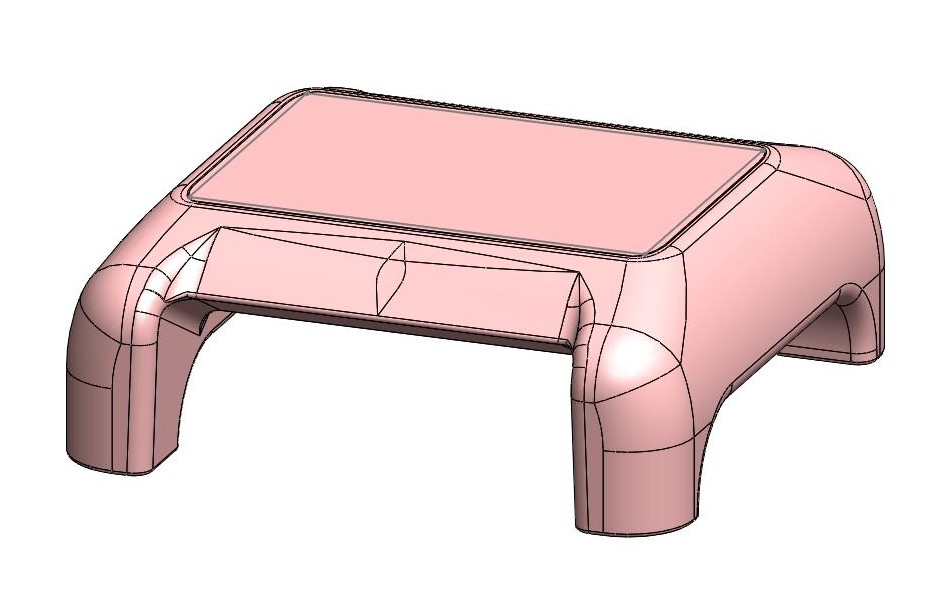
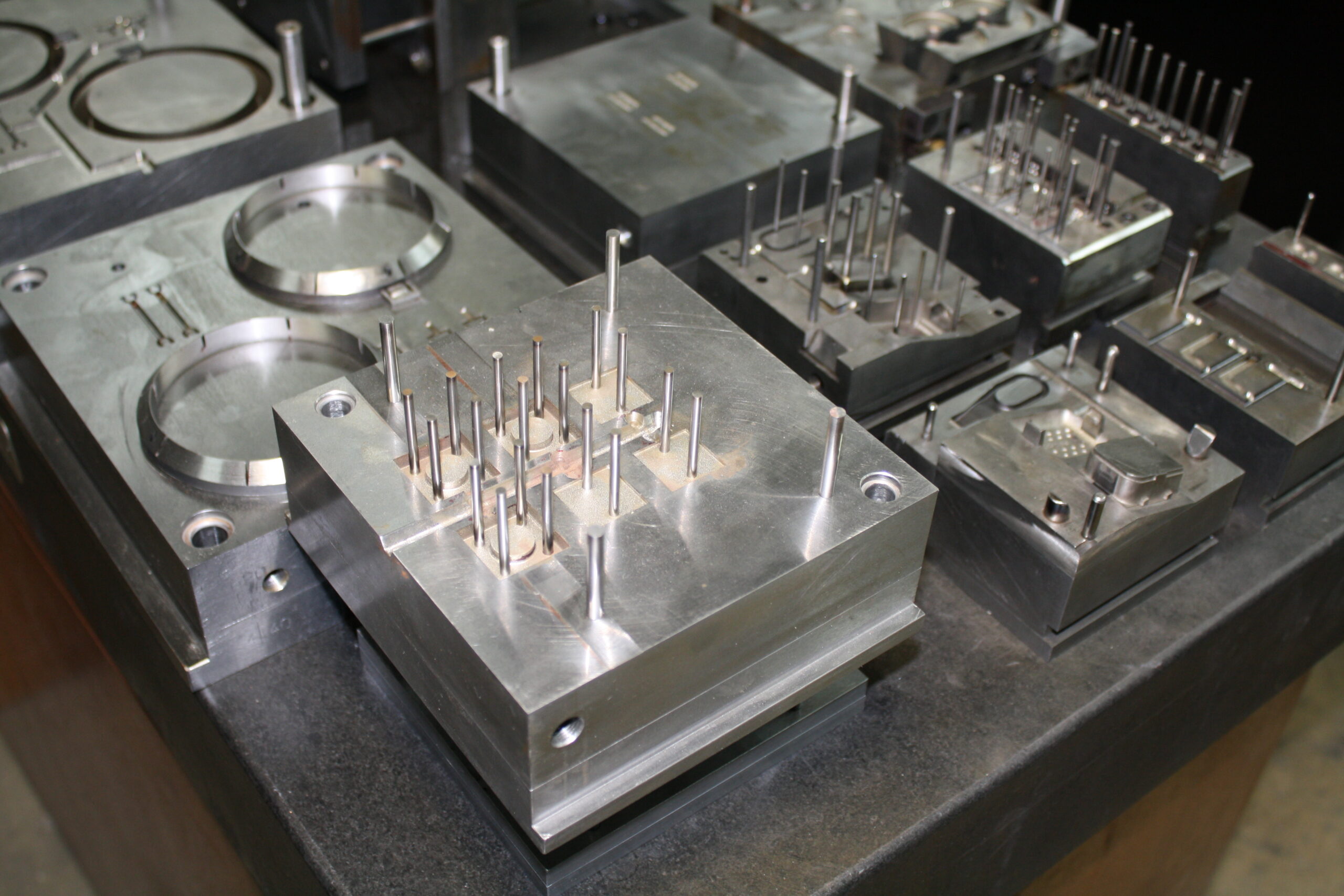
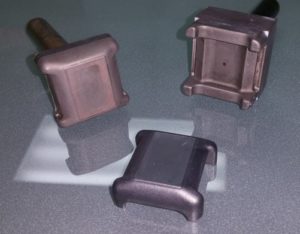 At Blue Ring Technologies, we have a straightforward way of creating a mold for a client. We first use our in-house CNC machine to make a graphite mold, which accurately duplicates the item to within .001 of an inch. The graphite is conductive so by using an