
How Rapid Prototyping Accelerates Product Development
Introduction
Bringing a new product to market often involves many stages of design, testing, and refinement. One of the most valuable tools in modern product development is rapid prototyping. This process allows designers, engineers, and businesses to quickly transform digital designs into physical models that can be tested and evaluated.
Rapid prototyping helps reduce development time, identify potential design improvements, and verify product functionality before large investments are made in manufacturing tools. For companies developing plastic products or mechanical components, this stage is essential for ensuring that designs perform as expected.
Instead of relying solely on digital simulations, teams can physically interact with a prototype, evaluate its usability, and refine the design. This hands-on evaluation often leads to stronger product designs and more efficient manufacturing outcomes.
Understanding how rapid prototyping works and how it fits into product development can help businesses reduce risk and move their products toward production with greater confidence.
What is Rapid Prototyping?
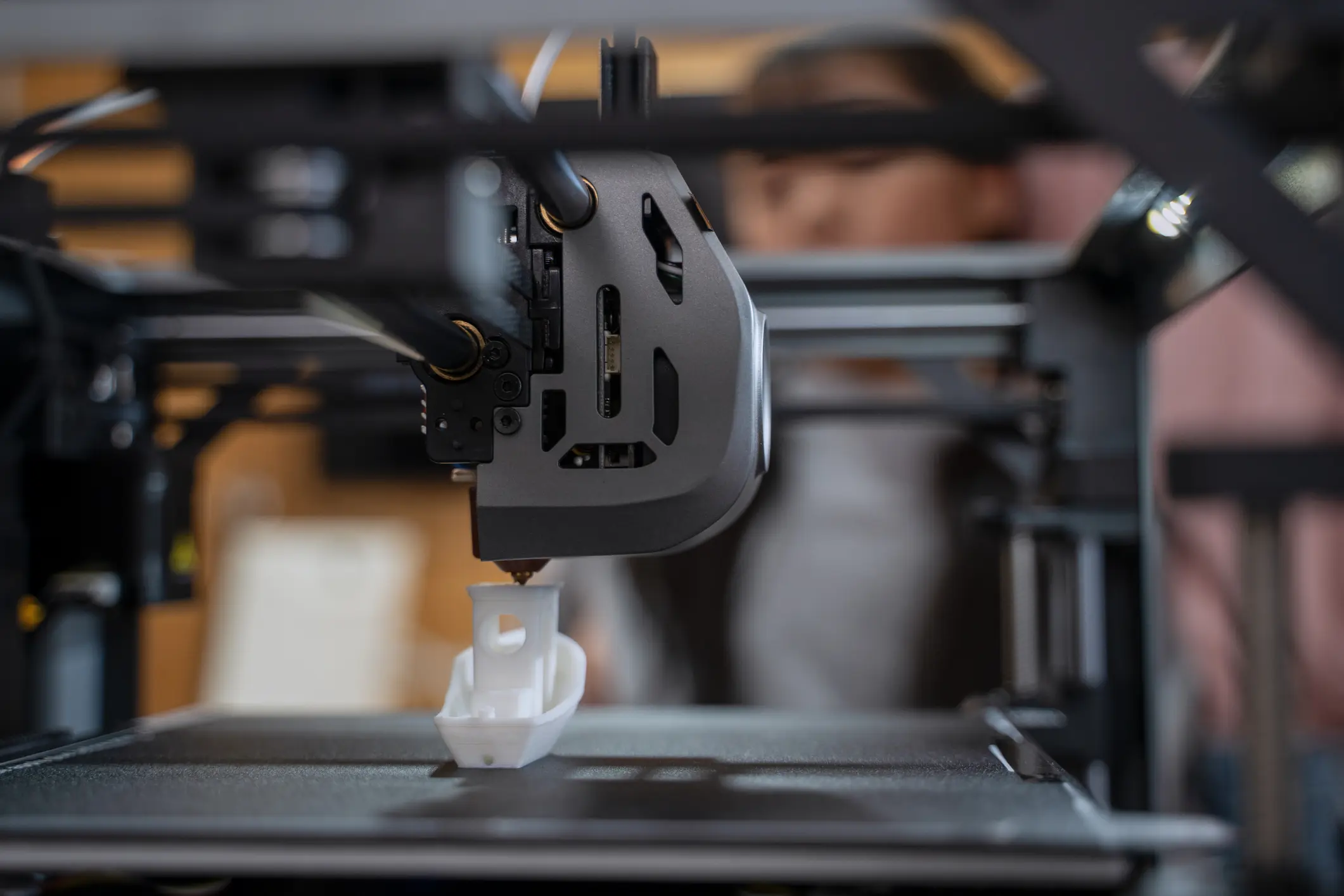
Rapid prototyping refers to a group of manufacturing technologies used to quickly create physical models of a product design. These prototypes are typically produced directly from digital 3D models using advanced fabrication methods such as 3D printing or other additive manufacturing techniques.
The goal of rapid prototyping is speed. Traditional manufacturing methods often require expensive tooling and long setup times. Rapid prototyping eliminates many of these steps by producing parts directly from design files.
This allows engineers and designers to test multiple versions of a product without waiting weeks for manufacturing tools to be built. As a result, design improvements can be made quickly and efficiently.
Rapid prototyping can be used to create simple visual models, functional prototypes, or detailed parts that closely resemble the final manufactured product.
Why Rapid Prototyping is Important in Product Development
Developing a product without testing a physical version can lead to costly design errors. Rapid prototyping helps prevent these issues by allowing teams to evaluate designs early in the development process.
One of the most important benefits is the ability to identify problems before production begins. Small design flaws that might be difficult to detect in digital models often become obvious when examining a physical prototype.
Rapid prototyping also allows teams to test product ergonomics, assembly compatibility, and functional performance. By validating these elements early, companies can avoid costly changes during later stages of manufacturing.
Another advantage is improved collaboration. When stakeholders can physically review a prototype, communication between designers, engineers, and decision-makers becomes much clearer.
This process helps ensure that everyone involved in the project shares the same understanding of the product’s design and functionality.
Common Rapid Prototyping Technologies
Several technologies are commonly used in rapid prototyping. Each method offers unique advantages depending on the design requirements and level of detail needed.
3D Printing
3D printing is one of the most widely used rapid prototyping technologies. It creates parts layer by layer using digital design data. This process allows complex geometries to be produced quickly without specialized tooling.
3D printing is especially useful for early-stage design evaluation, visual models, and functional testing of plastic components.
Additive Manufacturing
Additive manufacturing refers to a broader category of technologies that build parts by adding material layer by layer. These processes allow designers to produce intricate shapes that may be difficult or impossible to achieve using traditional manufacturing methods.
Additive manufacturing is often used for both prototype development and low-volume production.
Functional Prototyping
In some cases, prototypes are designed to closely replicate the performance of the final product. Functional prototypes allow engineers to test mechanical strength, assembly compatibility, and real-world performance before production tooling is created.
These prototypes can provide valuable insights that improve the final product design.
Benefits of Rapid Prototyping for Plastic Product Design
Rapid prototyping offers several advantages for companies developing plastic products. Because plastic components often require injection molding during production, validating the design early is especially important.
One major benefit is faster design iteration. Designers can modify digital models and quickly produce updated prototypes for testing. This ability to refine the design quickly leads to stronger final products.
Rapid prototyping also helps reduce development risk. By testing designs early, companies can identify potential manufacturing challenges before investing in expensive molds or tooling.
Another advantage is improved product validation. Teams can physically evaluate part geometry, structural features, and assembly compatibility to confirm that the design meets performance requirements.
These benefits make rapid prototyping an essential step in modern product development.
Rapid Prototyping and Design for Manufacturability
Rapid prototyping also plays an important role in supporting Design for Manufacturability principles. While prototypes help verify product functionality, they also provide valuable insights into how the design will perform during manufacturing.
Engineers can evaluate key factors such as wall thickness distribution, structural features, and part geometry. These elements influence how plastic materials will flow during injection molding and how the final part will behave during production.
Testing prototypes allows engineers to refine the design before committing to manufacturing tools. This reduces the likelihood of production defects, tooling adjustments, or costly redesigns.
When rapid prototyping is combined with manufacturability analysis, the transition from design to production becomes much smoother.
Moving From Prototype to Production
Once a prototype has been successfully tested and refined, the product can move toward manufacturing preparation. This stage often involves finalizing engineering drawings, selecting appropriate materials, and preparing tooling for production processes such as injection molding.
Prototypes provide valuable confirmation that the design functions as intended. This validation allows teams to proceed confidently into the manufacturing stage.
At this point, additional design adjustments may still be made to improve manufacturability, reduce production costs, or enhance part performance.
The goal is to ensure that the final product can be manufactured efficiently while maintaining the desired quality and reliability.
Rapid prototyping therefore acts as a bridge between concept development and full scale manufacturing.
Supporting Innovation Through Rapid Prototyping
Innovation often depends on the ability to test new ideas quickly. Rapid prototyping supports this process by allowing designers and engineers to experiment with new product concepts without long delays or large financial investments.
Businesses that integrate rapid prototyping into their development process can explore more design possibilities and refine products more effectively.
This flexibility encourages creative problem solving and allows companies to respond quickly to market demands.
Rapid prototyping also helps organizations maintain a competitive advantage by shortening development cycles and bringing products to market faster.
For many industries, this speed and adaptability are critical factors in long-term success.
Start Your Prototype Development
Rapid prototyping plays a critical role in modern product development. It allows businesses to transform digital designs into physical models, evaluate product functionality, and refine designs before manufacturing begins.
By incorporating rapid prototyping into the development process, companies can reduce risk, accelerate design improvements, and prepare products for efficient manufacturing.
Whether you are developing a new plastic component or refining an existing design, prototype development provides the insight needed to move forward with confidence.
If you are exploring ways to improve your product development process, professional rapid prototyping support can help bring your ideas closer to production.