
Understanding Modern Manufacturing and Production for Scalable Product Development
Introduction to Modern Manufacturing
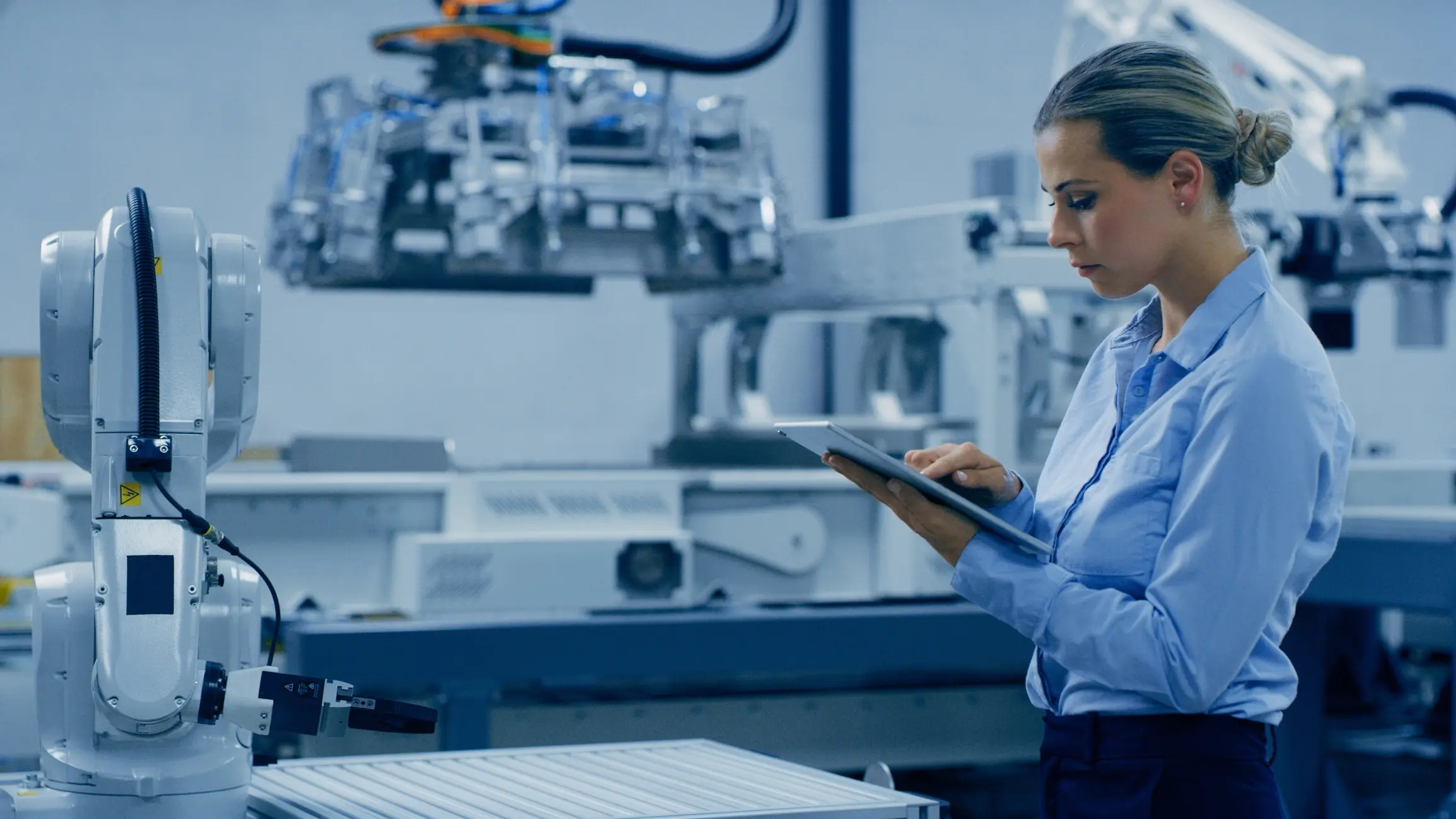
Manufacturing and production are at the heart of bringing innovative products to life. While many great products begin as ideas, sketches, or digital models, the real challenge lies in transforming those concepts into reliable, high-quality physical components. Modern manufacturing processes allow businesses to scale production, maintain consistent quality, and deliver products efficiently to the market.
In today’s competitive product development environment, manufacturing is no longer simply about producing parts. It involves careful planning, engineering support, material selection, and production strategies that ensure every product performs as intended. Businesses that invest in structured manufacturing processes are better positioned to reduce production errors, manage costs, and improve product reliability.
Manufacturing and production systems must also remain flexible. Companies often begin with prototypes or small-batch production before scaling to larger manufacturing volumes. A well-planned production strategy supports this transition, allowing products to move smoothly from early development stages into full-scale manufacturing.
The Connection Between Product Design and Manufacturing
One of the most important aspects of successful production is the relationship between design and manufacturing. Products that are designed without considering manufacturing requirements often face delays, increased costs, or production limitations.
Design for Manufacturability is a key concept that helps address this challenge. It focuses on designing components in ways that simplify production, reduce material waste, and improve consistency. Engineers evaluate factors such as part geometry, material performance, and tooling requirements during the design stage.
When product designs are optimized for manufacturing, production becomes more efficient and predictable. Manufacturers can produce components more quickly, maintain tighter quality control, and reduce the likelihood of defects.
This design-driven manufacturing approach also allows businesses to identify potential issues early. Instead of discovering problems during production, engineers can refine the design before tooling and manufacturing processes begin. This proactive strategy saves time and resources while improving the overall success of the product.
Injection Molding and Plastic Component Production
Plastic injection molding is one of the most widely used manufacturing methods for producing durable and consistent plastic components. The process involves injecting molten plastic material into a mold cavity where it cools and solidifies into the final shape.
Injection molding is highly efficient for both low-volume and high-volume production. Once molds are created, manufacturers can produce large quantities of identical parts with exceptional precision. This consistency makes injection molding an ideal choice for industries that require reliable plastic components.
Another advantage of injection molding is material flexibility. Manufacturers can work with a wide range of thermoplastic materials, each offering unique performance characteristics such as strength, durability, flexibility, or heat resistance.
However, successful injection molding requires careful planning. Mold design, material selection, and part geometry must all be optimized to ensure smooth material flow and proper cooling during production. These factors directly influence the final product’s quality and performance.
By combining engineering expertise with manufacturing technology, businesses can produce plastic components that meet both functional and aesthetic requirements.
The Role of Prototyping Before Production
Before committing to full-scale manufacturing, many companies use prototyping to test and refine their product designs. Prototypes allow designers and engineers to evaluate a product’s functionality, ergonomics, and overall performance before investing in production tooling.
Rapid prototyping technologies, including 3D printing and CNC machining, make it possible to produce accurate models quickly. These prototypes help teams identify design improvements, test product usability, and confirm that components fit together correctly.
Prototyping also supports communication between development teams and stakeholders. Instead of reviewing designs only on a computer screen, teams can physically examine and evaluate the product.
This hands-on evaluation often reveals insights that digital models alone cannot provide. Adjustments made during the prototyping stage help improve the final product and reduce the risk of manufacturing complications later.
Once the prototype is validated, engineers can move forward with tooling development and production planning.
Scaling From Prototype to Production
Transitioning from prototype development to full-scale production requires careful coordination. While prototypes may be produced individually or in small batches, large-scale manufacturing must be designed for efficiency and repeatability.
Production scaling involves several important considerations. Engineers must evaluate manufacturing equipment, tooling requirements, material supply chains, and quality control procedures. Each of these factors contributes to consistent production performance.
Another important aspect of scaling is cost efficiency. Production processes must be optimized to ensure that materials, labor, and equipment are used effectively. Small design changes can sometimes improve manufacturability and reduce production costs significantly.
Companies that prepare thoroughly for production scaling are better able to meet market demand while maintaining consistent product quality.
A structured approach to production planning ensures that the product can be manufactured reliably at the required volume without compromising performance or durability.
Maintaining Quality Throughout Manufacturing
Quality control is a critical component of any successful manufacturing process. Without strong quality standards, even well-designed products can experience performance issues or production inconsistencies.
Manufacturers use several methods to ensure product quality throughout the production cycle. These include inspection procedures, dimensional verification, material testing, and process monitoring.
Quality control begins with the design stage and continues through manufacturing and final product inspection. Engineering drawings and technical documentation provide the standards used to verify each component during production.
Consistent quality control helps businesses maintain reliability and customer trust. It also prevents defective components from reaching the market, protecting both the brand reputation and the product’s long-term success.
By integrating quality management into every stage of production, manufacturers can maintain high standards while scaling production efficiently.
The Importance of Coordinated Production Management
Manufacturing projects often involve multiple processes and teams working together. Engineers, toolmakers, material suppliers, production operators, and quality specialists must coordinate their efforts to ensure smooth production.
Effective production management helps organize these activities and maintain clear communication between teams. Project timelines, resource allocation, and production schedules must be carefully managed to prevent delays.
Manufacturing project management also helps ensure that development milestones are achieved on time. By monitoring progress and addressing challenges early, teams can keep production moving forward efficiently.
When project management and manufacturing processes are aligned, businesses can deliver products to market more quickly and with greater confidence.
Start Your Manufacturing Project
Manufacturing and production are essential steps in transforming product ideas into market-ready solutions. With the right combination of engineering expertise, manufacturing technology, and production planning, businesses can create reliable products that meet both performance and market expectations.
Whether developing a new product or scaling an existing design, working with experienced manufacturing professionals can make a significant difference. Structured production strategies help reduce risks, improve efficiency, and ensure that components are manufactured to precise specifications.
A well-planned manufacturing process supports every stage of product development—from concept validation to full-scale production—while maintaining the quality and reliability needed for long-term success.