Maç sonuçlarına bahis yapmak bettilt isteyen kullanıcılar kısmını tercih ediyor.

Her oyuncu bahsegel güvenlik için politikalarına dikkat ediyor.

Yüksek ses efektleri ve renkli animasyonlar, bettilt giriş slot oyunlarını daha eğlenceli hale getirir.

Sporseverler için yüksek oranların sunulduğu pinco bölümü öne çıkıyor.

Avrupa’daki lisanslı platformların %85’i canlı oyun hizmeti sunmaktadır; bettilt giriş bu segmentte güçlü bir altyapıya sahiptir.

2026 yılında piyasaya çıkacak olan bahsegel daha gelişmiş bir arayüz sunacak.

Türk oyuncuların favori stratejilerinden biri “kırmızıya sabit kalma”dır, bu taktik bahsegel giriş blogunda açıklanır.

3D Scanning

3D Scanner Blog Article

You’ve probably seen 3D scanners in action – on your television. They are often used in documentaries, particularly those related to art, archaeology, or history. Often the depiction in these programmes appears very high tech. The technology used in 3D scanners is advanced, but 3D scanners are incredibly accessible and are used in a range of industries on a daily basis. They improve accuracy, save time, and help deliver a return on investment.

What is 3D Scanning?

A 3D scanner’s job is to capture the shape of a physical object. Most modern scanners use lasers so never touch the object. The scan creates a digital 3D representation of the object that is exactly the same size and shape of the original, including all the details. In fact, good quality 3D scanners can capture very fine details.

How 3D Scanning Works?

Many modern 3D scanners are based on laser technology. The laser in the scanner moves across the surface of the object. This works in conjunction with a series of cameras which captures an image of the object in 3D.

In fact, what the cameras are actually capturing is points on the surface of the object – millions of points for one object, all captured very quickly. All these points are then put back together with a computer programme (such as a CAD programme) to create a point cloud that is the same size and shape as the original object. In other words, a digital version of the physical object.

There are also contact 3D scanners in addition to laser. They work slightly differently, but the end result is the same – a digital 3D model of the object. Instead of a laser, contact 3D scanners have a probe which physically touches the object to create the digital model.

Benefits of 3D Scanning

  • Quick method of obtaining the physical measurements of almost any size of object
  • Reduces design time
  • Improves accuracy in design
  • Ability to check built models against an original design

Practical Applications

The practical applications for 3D modelling are wide and varied, and new uses for the technology are being discovered all the time. As a result, 3D modelling is used in a number of sectors including engineering, manufacturing, design, testing, and more. The industries that use 3D scanners include automotive, surveying, medicine, aerospace, marine, art, movie and television production, architecture, the entertainment industry, and more.

Most of these industries and sectors use 3D scanners to create 3D models for:

  • Product design – this can take many forms, including scanning an object that becomes the basis for a new product
  • Object analysis – this typically involves manufacturing an object (a component for a machine, for example) and then scanning it to check whether the built version of the object matches the design
  • Reverse engineering – there are a number of applications for reverse engineering, including scanning obsolete components so they can be manufactured again

As with most technologies, the quality of 3D scanners can vary, as can the expertise of the operator. At Blue Ring Technologies, we only use high quality machines plus all our staff are highly skilled and experienced at scanning objects of just about any size or complexity.

What really do you get with Engineering and Prototype Drawing Services?


Engineering and Prototype Drawing Services

All too often at Blue Ring Technologies we run into the same problem. A client wants to manufacture a particular plastic product which they may have designed themselves, or had designed by an industrial designer. We inspect the file and quickly find that the design is completely un-manufacturable. This issue arises in our community over and over again. In this blog, I want to address some of the common look outs you can use to review the design before taking to injection molding manufacturing. If possible, please consult with us at Blue Ring Technologies before you invest time and money in the project.

Uniform Wall Thickness

One of the most common issues we see is that in the world of plastics we cannot make parts extremely thick. However, there are ways to work around the limitations this causes. Typical Resin Thicknesses are shown in the chart below:

Typical Plastic Resins Inches
ABS 0.045 – 0.140
Acrylic 0.025 – 0.500
Nylon 0.030 – 0.115
Polycarbonate 0.040 – 0.150
Polyethylene 0.030 – 0.200
Polypropylene 0.025 – 0.150
Polyurethane 0.080 – 0.750


Material Selection

Plastic has different suggested wall thicknesses, strengths, and weaknesses. It is very important that the part is designed with a specific material from the beginning. Please read one of our previous blogs about material selection to understand the differences between them.

https://blueringtechnologies.com/plastics/

Parting Line

Selecting the parting line of parts is of the utmost importance in plastic manufacturing. Undercuts, cams, and sliders all affect the engineering design of the parts. The parting line is usually selected from the part orientation in which the mold is open and closed during the injection mold process. During the engineering design process, you can create the design in such a way as to create a simplified parting line that will ultimately save you in mold cost.

Form-Fitting Assembly and Stress Simulation

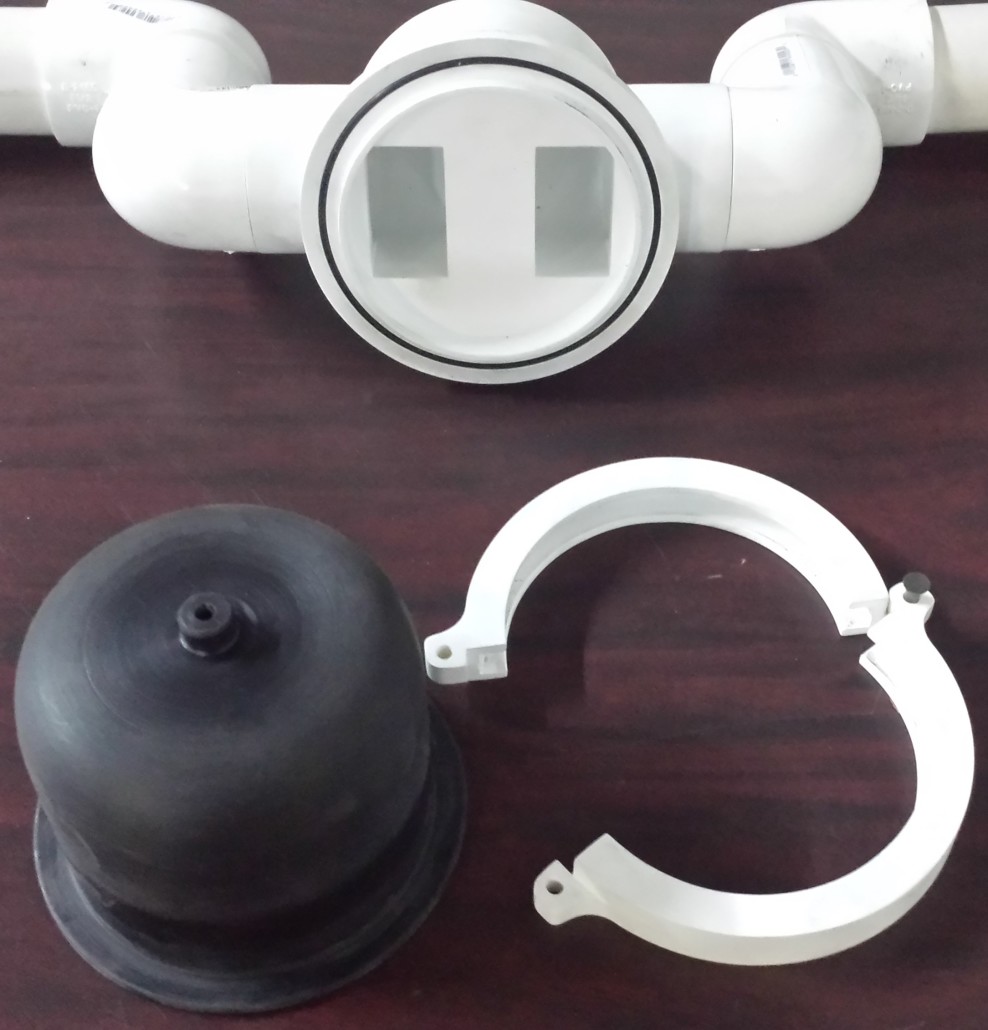
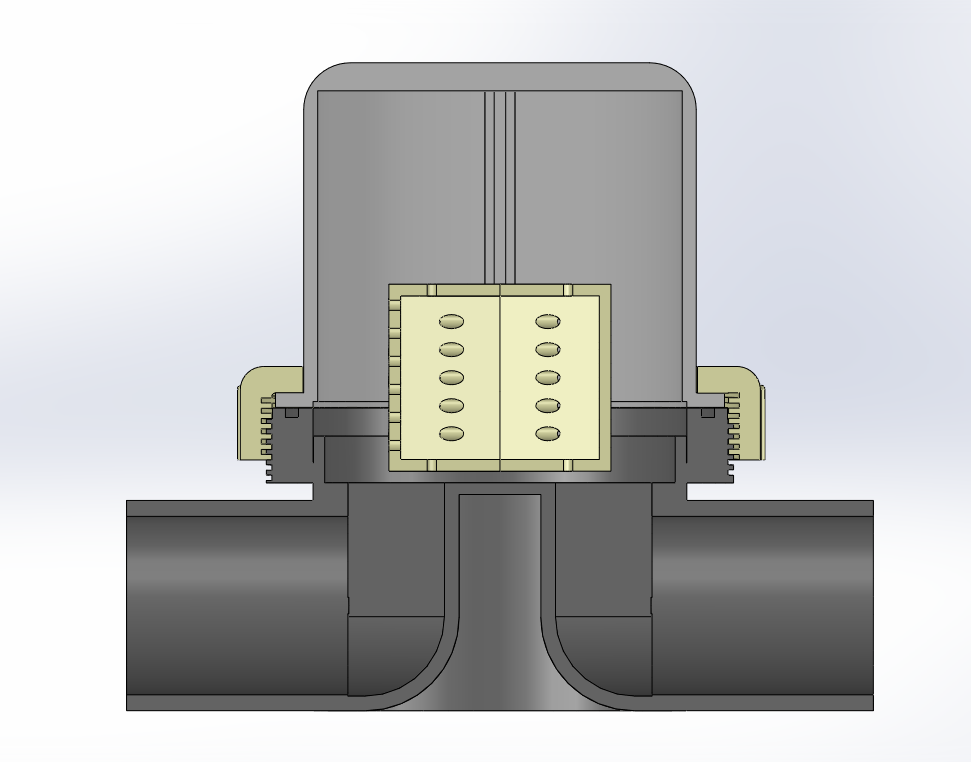
All too often we see files that look acceptable; however, their parts are never simulated to see if each form-fits into the others. In engineering school one of the first things you learn is to give tolerance to parts, something which is commonly overlooked by designers, with disastrous results. A 3D engineering file should be mated and assembled to simulate how parts are form-fitted, as shown below.


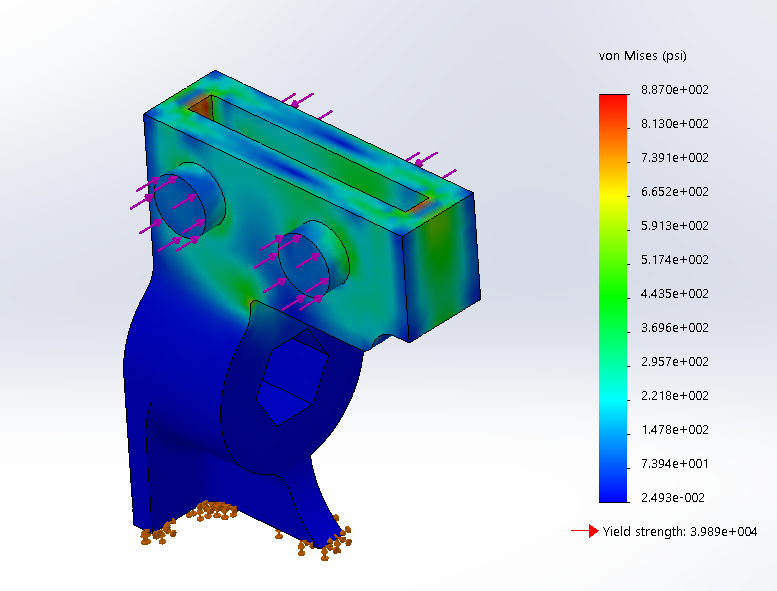
We also commonly encounter problems in the selection of material and the possible stress forces applied to the part. This can cause clients much heartache when their product is tested or used in the field only for part to be cracked or broken due to a stress encounter. It is a good idea to use some of the stress simulations below to properly understand failure points and how these can be resolved through design.

Engineering Drawing Prototype Services


Blue Ring Technologies

At Blue Ring Technologies, we pride ourselves on our ability to design, engineer, simulate, prototype, and manufacture everything in our own facility. We are a unique shop and we cover a vast range of factors that will ultimately save you time and money. Please take into consideration all these factors next time you take on a project, and give us a call at 305-707-4251. We will be more than happy to guide you through the process of product development.

So you have a great idea! What’s next?

So you have a great idea! What’s next?


You just figured out how you can make the world a better place. It doesn’t matter when or where it happened but you believe so strongly in your idea and are so certain that it is going to change your local community or even the world, that you are willing to risk everything to make your legacy. WELCOME TO BLUE RING TECHNOLOGIES!

Blue Ring Technologies LLC (BRT) was founded on the idea that Bluetooth technologies are being underutilized and our company’s owner and founder, Jay Prendes, bet his life’s work on it. The Jayster™ keychain was Jay’s first creation and from the simple idea that someone can find their lost valuables using smartphones and Bluetooth technology, Jay went all in.

Now is when the hard work really began. What engineering specifications are necessary to convert an idea into reality? How do we manufacture this product? How am I going to market and SELL my idea, my vision, my life’s work?

Jake still needs to be fed every morning and evening. And he eats a lot…

Jake still needs to be fed every morning and evening. And he eats a lot…

Fortunately, Jay is an educated and experienced computer engineer both with hardware and software. Jay has been the master of the DIY prototype since high school when he was a leading member of the Florida Technology Student Association and has earned multiple accolades in the creation and design of multiple projects regarding robotics technologies. Even more fortunate is that Jay was a lead software engineer for Motorola and has technical know-how to bring a product to life.

However, there were harsh realities to be learned when it came to the world of business and plastics. The engineering required to machine a product was not easy but with much help and additional training, it was done. Then came bringing the product to market, which meant creating demand! You mean not only did we have to conceive the idea of the game changer, but now we have to come up with a way to plant the idea of our product in the minds of the general public?

And then came the plastics. For some reason, not only was plastic making this venture viable but it was also making the idea for the business prohibitive due to the costs involved with production. The solution was Blue Ring Technologies.Watch Full Movie Online Streaming Online and Download

Fortunately for Jay, he always had his best friend and the best man at his wedding (yours truly) to consult regarding his business. I am Lou Rivera and I am Blue Ring Technologies LLC vice president. With over 14 years of combined experience in owning a business, finance, sales, and management, I have given my expertise and experience to help build and market Blue Ring Technologies from the ground up. BRT became the company that owns the idea and more importantly, the patents behind the Jayster™ innovation. From there, BRT had to secure funding to produce Jayster™ by launching a successful Kickstarter campaign which raised over $15,000. Combined with blood, sweat, and tears into the company, the Jayster™ became a reality and even more so, Blue Ring Technologies evolved.

Because of BRT’s successful Kickstarter campaign, it has led to the evolution of the business to specialize in rapid prototyping and production! This means that if you have an idea for a new product BRT will not only consult you regarding the design of the product, but we will also consult you in bringing your product and idea to the market, as well as manufacture it with BRT.Watch movie online The Transporter Refueled (2015)

At Blue Ring Technologies, we are a manufacturing and design firm. We can help you bring a product to life from start to finish. We specialize in plastic products which we can design, prototype, and then manufacture. All in house. In sunny South Florida, right here in the USA.

For the inventors of the world, we are talking to you. Do you have an idea but do not know what to do next? Talk to us at Blue Ring. Are you a business and do not have the production capabilities to invest in producing an in-house prototype? Talk to us at Blue Ring. Do you have production needs of any kind, large or small, from the prototype to thousands of units? Talk to us at Blue Ring.

Blue Ring Technologies will help you prototype, patent and brand your idea, crowdfund investment, and also produce your product. All right here in sunny South Florida. This is our company’s mission. This is our purpose. Let us serve you. We will innovate, create, and bring new products to consumers that make life a little easier – Above all else, our driving force will be our passion for engineering, technology and design.


Lou Rivera

Vice President

Blue Ring Technologies LLC

Plastics

Plastics

plastc_products1

At Blue Ring Technologies, we have created a highly unique business in which we cater to all industries that require plastic parts. Clients typically have a general idea of the kind of plastic they want to use, but we go the extra mile to introduce all the varieties of plastics that are available. I thought that a great blog topic would involve talking about the wide range of plastics that we use at Blue Ring Technologies. If you’re ever confused about what plastic to use in your product, this is a great condensed look at the different families of plastics.

(PP) Polypropylene:

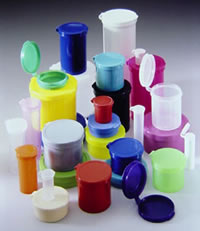
This is a very common plastic used in toys, household products, bottles, etc. It is an ideal plastic if you wish to have a very flexible part without breaking or sheering, while also providing impact resistance. Also, if living hinges are necessary, it is highly recommended to use polypropylene. Some of the downsides of this particular plastic are that they break down under strong UV radiation and require very high tolerance in part design. The plastic tends to create voids and sinks that are deeper than some other plastics.

pp_products1

(HDPE) High-Density Polyethyelene:

We highly recommend HDPE when creating any marine or water product. The main reason is that HDPE has a high UV rating, as well as good flotation properties. Similar to PP, it creates deep voids and sinks that are more pronounced than in other types of plastic.

(ABS) Acrylonitrile Butadiene Styrene:

ABS is a highly desirable plastic, as it looks and feels much better than some other plastics on the market. It has high heat resistance, high gloss, and a good weight-to-strength ratio. Overall, ABS is a very good default plastic that we like to work with. However, it comes at a relatively high cost as compared to PP or HDPE

Acrylic:

Acrylic is used in products that require transparency or needs to be translucent. It is usually used to replace anything that was originally made of glass. It has a number of desirable properties, including being chemically resistant, non-toxic and slow burning. Some of the downsides of this plastic are that it tends to crack easily and does not have good impact resistance.

Polycarbonate:

Like acrylic, polycarbonate plastics are used in products that require transparency or need to be translucent. It does have two advantages over acrylic, namely that it has higher impact resistance and better scratch resistance. That being said, it will crack when too much force is applied and it has a relatively high cost compared to Acrylic.

Nylon:

Nylon is our go-to plastic if strength is critical in the product application. It is a difficult plastic to work with, but it’s essential for some applications. When dealing with nylon, processing fees are usually higher, due to certain issues with moisture pick-up and stability during processing.

(TPE) Thermal Plastic Elastomer:

At Blue Ring Technologies, we are very excited about TPE. We see it as a strong alternative to rubber and other flexible materials that could not be injection-molded in the past. We are seeing strong benefits of this material for industries coming from a compression-molding method that want to change to injection-molding methods in order to significantly reduce their unit cost.

platics

All in all, this blog represents a very short list of common plastics used at Blue Ring Technologies. If interested, do not hesitate to give us a call so that we can recommend a family of plastic that’s ideally suited for your product.

Prototypes

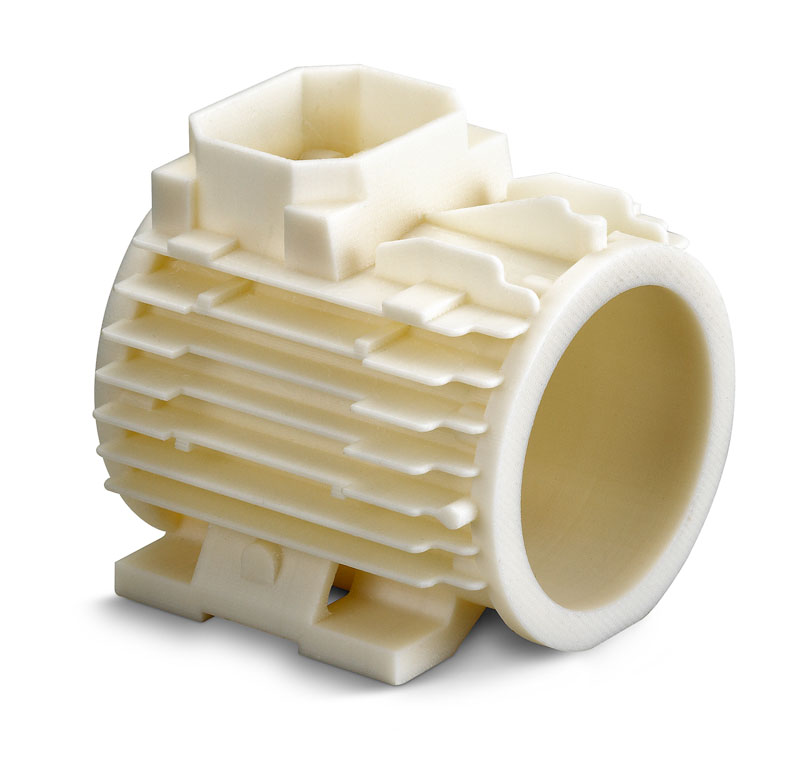
We live in a truly amazing time of innovation and ideas. In the past, in order to get a prototype working, you would find yourself in the garage drilling, sanding, and grinding stock material until you got the desired shape. However, with the advent of new technologies, such as 3D Printing, CNC Milling, and Mold Casting, we can offer our clients a wide variety of ways to create their prototypes at a very affordable cost. The end goal of prototypes is to be manufacturable and mass-produced, something that we fully understand and strive to offer our clients at Blue Ring Technologies. 3D Printing: 3D Printing is obviously one of the hottest topics in the manufacturing world. It is a tool that slices your part and creates many layers (think of bread slices at a microscopic scale). It is the single most affordable way to create prototypes. We offer our clients two choices when 3D printing their prototype: Fused Deposition Modeling (FDM) or Polyjet. FDM is used when the desired parts can tolerate specifications of .007 inches. This is usually acceptable for many of our clients and is the most affordable route.

3d_printed_block1

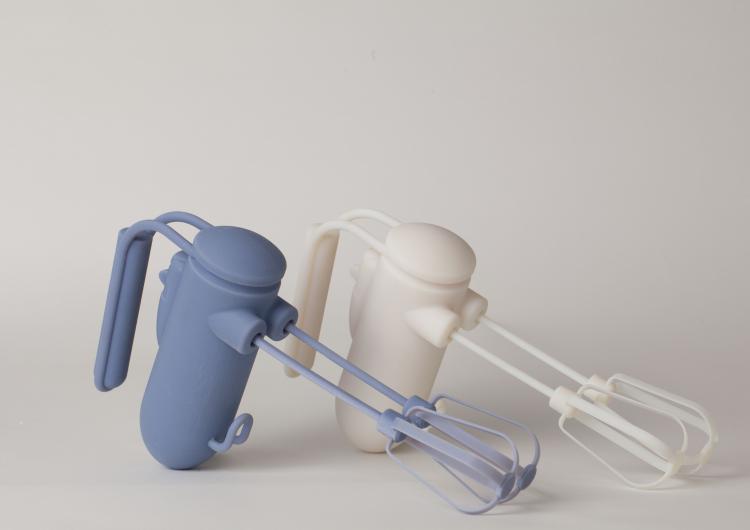
Polyjet technology is similar to a household paper printer, in which droplets of material are used to create a part. Polyjet is used for clients that need prototypes with ultra-precision, somewhere in the realm of .002 inches. The great thing about Polyject technology is that it allows for a wide variety of materials from which to produce the prototype. The material options include ABS, PLA, Rubber-Like, Transparent and many more.

3d_printed_mixer1

CNC Milling: Before the explosion of 3D Printing, the go-to method for creating a prototype was a CNC machine that would carve the desired material stock. There are many advantages to using a CNC machine prototype over a 3D printed one. One benefit is that the stock material matches the structural integrity of the final product more than in any other method of prototyping. I usually recommend CNC milled prototypes whenever liquid or pressure is involved. CNC milled prototypes are sometimes indistinguishable from the real thing and can even be used for functional testing. https://www.youtube.com/watch?v=n6WL5YP7mGM

cnc_prototype-988x10301

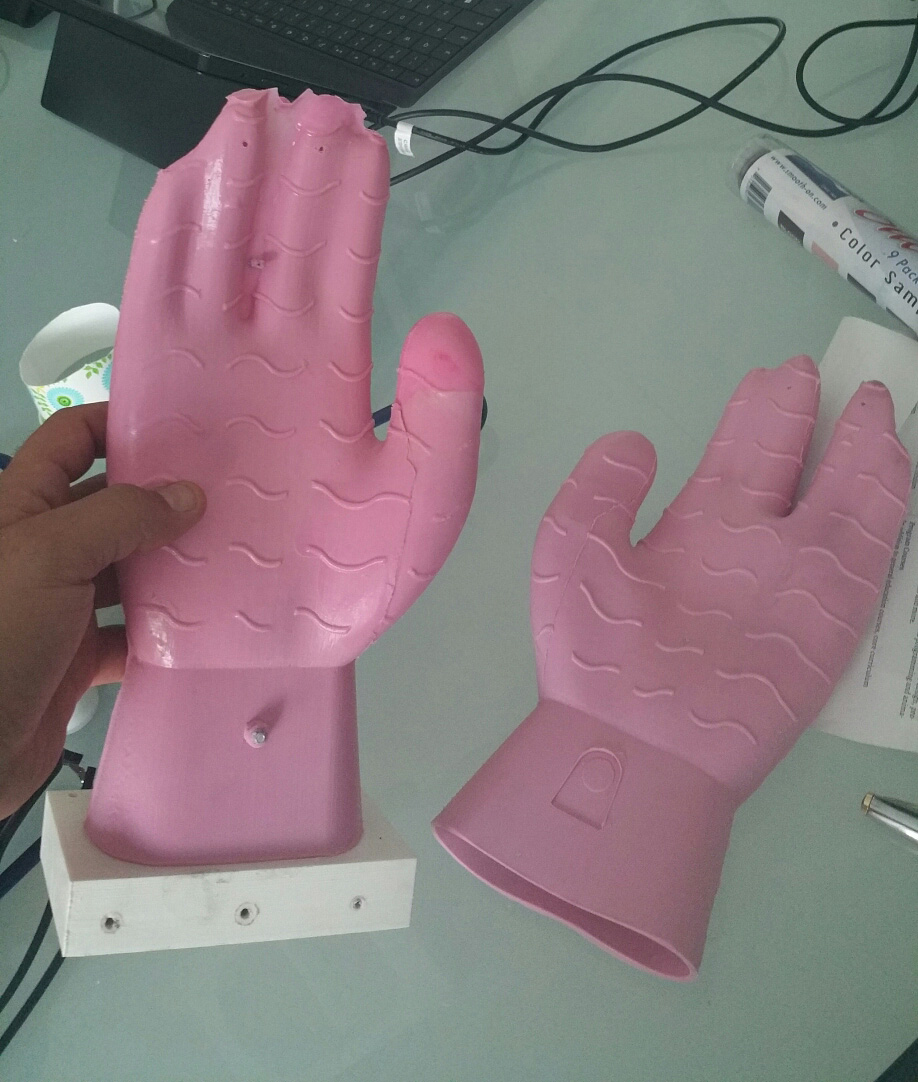
Mold Casting: Mold Casting is a great way to create complicated organic curve products. More specifically, products that require extreme flexibility and elasticity should be formed using a Mold Casting method. Mold casting is usually done with either a metal or plastic mold, where a resin is poured into the mold to create the desired shape. Our clients have been thrilled with the results, as we have provided a unique solution to a common problem that has not easily been found anywhere else. At Blue Ring Technologies, we will find a solution to your prototyping needs, no matter how complex the project might be. 3D Printing, CNC Milling and Mold Casting are the typical rapid prototype methods we use, but technology is always moving forward. We are constantly researching, experimenting and testing different manufacturing and prototyping methods to provide you, our clients, with a full range of innovative options that you expect from us. 20150910_1745251

3D Printed Bottle Opener

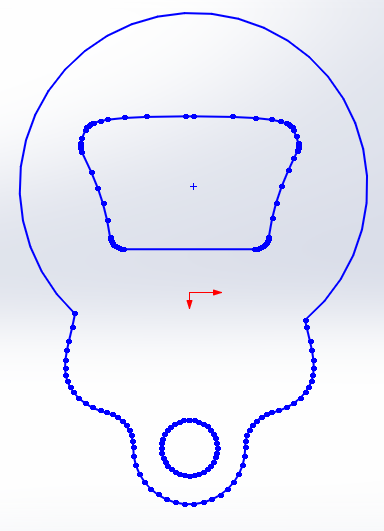
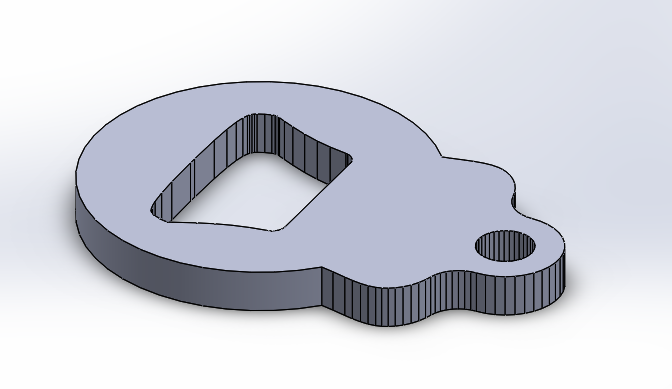
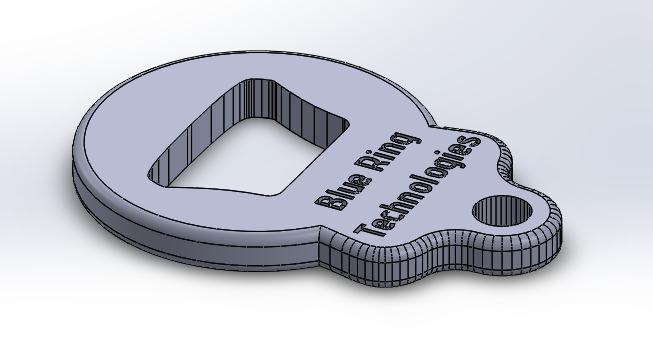
As we await the passing of tropical storm Ericka, I kept wondering, with all the technology we have at Blue Ring Technologies what can we create to help us prepare for the storm?….Light bulb turns on…3D printed Bottle Opener. In this blog I want to you show the highlight of all the steps that occur when a simple idea is presented from concept to prototype. The first thing I thought about is that bottle openers are made usually of metal…for good reason. When plastic rubs against metal, plastic loses its shape and chips or breaks away. Therefore, a So a simple plastic bottle opener would not work well. This is when another idea struck…boom!!….I remember seeing a simply penny to open a bottle cap. What if we integrate a penny slot into a 3D printed bottle opener?…Ding..Solution!!!!…Having this basic concept in place we commence the 3D engineering drawing. First, we start with the basic outline of the bottle opener. The measurements were taken from several bottle openers found online. Second, after the outline we must assure we give the part proper thickness so that the opener does not break after applying force. 1
21
The next feature in the design was to make a slot in which we can insert the penny that is going to lift the bottle cap. These measurements are critical in order to make the part work. 31
After all the major features are done, we still want to add a little marketing material to the bottle opener and make sure there are no sharp edges to the design. 51
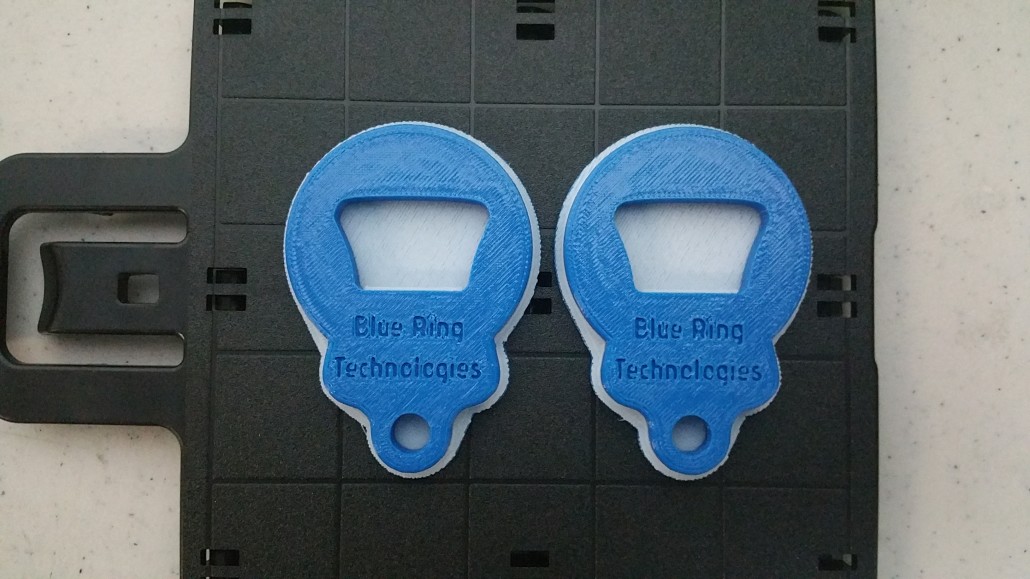
Lastly, once the design is finalized it then goes to the 3D printer. The steps included are as followed: We first set the 3D printed plate and wait four hours for the parts to complete the first phase of the 3D printed parts…talk about rapid prototyping. It then goes through a wash in which all the support material is dissolved. 6-1030x5791
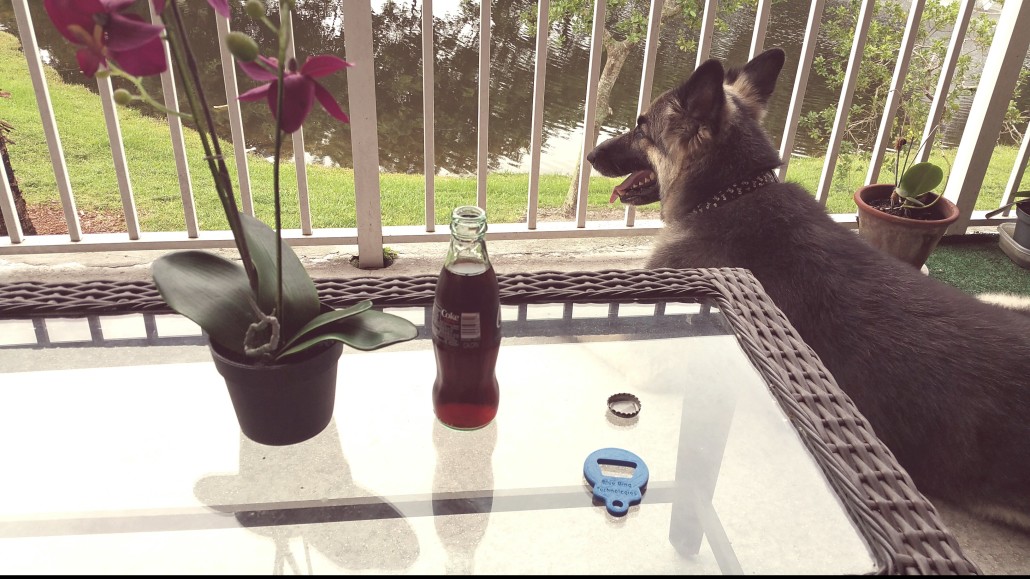
From the 3D printer comes out a perfect part and ready to do its job. Now Jake (my dog) and I can enjoy a nice coke bottle and wait till the storm passes through. 7-1030x5791

Miami Herald Spotlight: Blue Ring Technologies

Startup Spotlight: Blue Ring Technologies a one-stop-shop for inventors

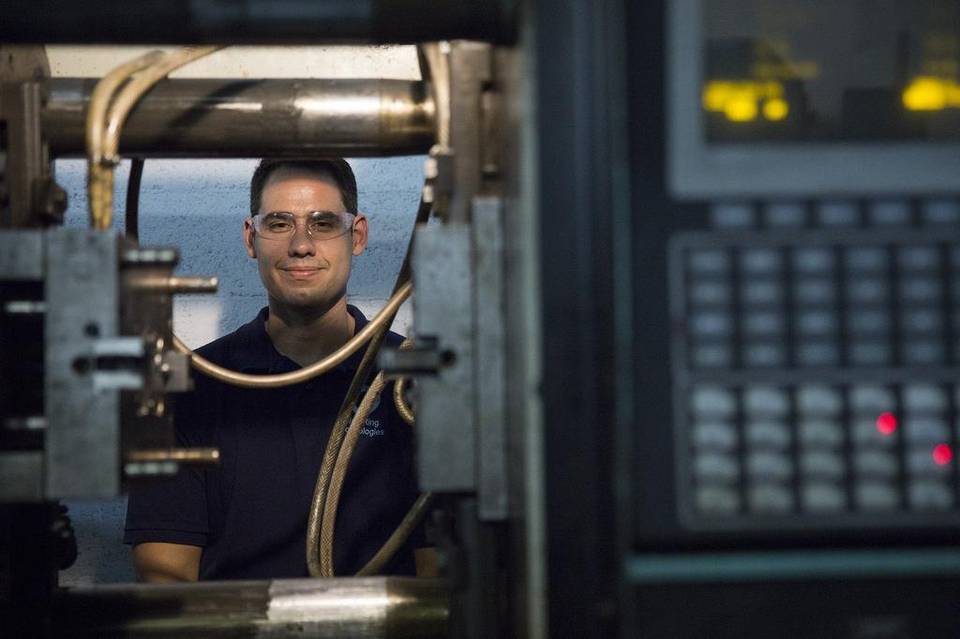
http://www.miamiherald.com/news/business/article30455706.html blue-ring-08052015-3-jlb1
Company name: Blue Ring Technologies Headquarters: 2240 SW 70th Ave., Suite J, Davie. Concept: Blue Ring Technologies, a startup manufacturing company, specializes in helping entrepreneurs and businesses develop their ideas, manufacture their products and realize their dreams. Story: Blue Ring Technologies began when its founder, Jay Prendes, was creating his own product, the Jayster, a keychain and app that used Bluetooth technology to find lost valuables. Having tech manufacturing experience with IBM and Motorola and a firm understanding of the development process, Prendes, a computer engineer, set out to assemble the necessary professional services to help bring Jayster to life and manufacture it in South Florida. Yet he found a lack of affordable engineering services that can help to prototype, design and manufacture plastic parts for small businesses within the immediate area.

Read more here: http://www.miamiherald.com/news/business/article30455706.html#storylink=cpy


Injection Molding

How Injection Molding Works If there is one machine that never fails to impress, it is our Injection Molding Machine. These huge pieces of equipment are true engineering marvels. Essentially, this machine injects plastic material at high pressure into a mold or cavity to create a useful plastic part. Simply look around at the products and items around you… the importance of this process is clear.

[fusion_builder_container hundred_percent=”yes” overflow=”visible”][fusion_builder_row][fusion_builder_column type=”1_1″ background_position=”left top” background_color=”” border_size=”” border_color=”” border_style=”solid” spacing=”yes” background_image=”” background_repeat=”no-repeat” padding=”” margin_top=”0px” margin_bottom=”0px” class=”” id=”” animation_type=”” animation_speed=”0.3″ animation_direction=”left” hide_on_mobile=”no” center_content=”no” min_height=”none”]

Injection Molding Machine

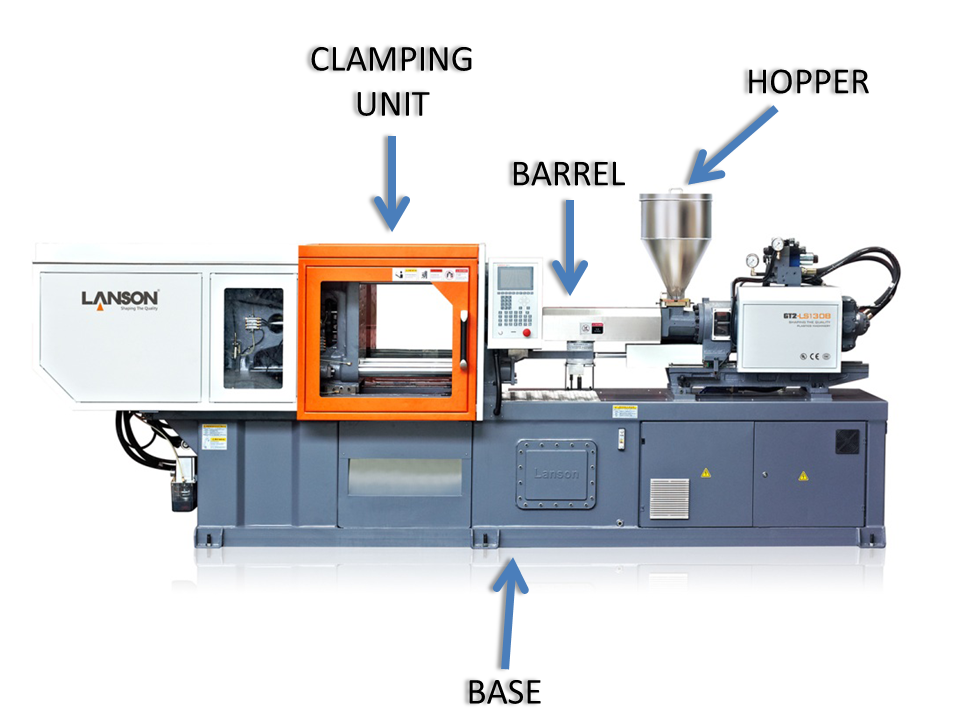
An injection molding machine consists of four major components: The Base, The Hopper, The Barrel, and the Clamping Unit. The base of the injection molding machine supports all the other components, as well as the electronics for all the control systems needed to run the machine. The electronics on this machine have to regulate a range of heaters, hydraulics, and sensors, as well as the injection pressure. The Hopper is where the plastic material is poured into the machine before the injection molding process can begin. The Hopper usually contains a dryer unit to keep moisture away from the plastic material. You will also find that it contains small magnets to prevent any harmful metallic particles from entering the machine. From the Hopper, the plastic material is poured into the next major component –the Barrel. The Barrel is the part of the injection molding machine that heats the plastic material into a molten state. This allows the plastic to flow through the barrel, where the screw inside the barrel injects the plastic into molds or cavities in the Clamping Unit. The temperature in the barrel needs to be properly regulated to maintain the appropriate temperature for different types of plastic material. For example, a Nylon base plastic will require a higher temperature than an HDPE plastic. Finally, the process reaches the Clamping Unit. The clamping unit consists of two large plates that hold the actual mold. A mold consists of two steel parts that are fastened to each of the large plates on the clamping unit. When the Injection Molding machine is ready to inject plastic into the mold or cavity, the clamping unit closes the two independent plates and allows the plastic to flow into the cavity to create the part. The plastic part is then cooled into a solid. Once the plastic is cool enough, the clamping unit simply opens the mold and the part falls out, to be collected in a bin. At Blue Ring Technologies, we are one of the only companies with our own full service in-house injection molding machines serving the greater Fort Lauderdale and Miami area, including Davie, Cooper City, Plantation, Weston, Sunrise, Hollywood, Pembroke Pines, Miramar, Dania, Aventura, Coral Springs, Hialeah, Coral Gables, West Miami, Westchester, Sweet Water, Miami Lakes, Kendell, Homestead, Doral, Key Biscayne, Miami Beach, Opa-Locka, Palmetto, Pinecrest, and Sunny Isles. Example of our own Injection Molding Machine:

When our clients need speed we will use this machine:

https://youtu.be/EZat8nEgmiA[/fusion_builder_column][/fusion_builder_row][/fusion_builder_container]

New Website!

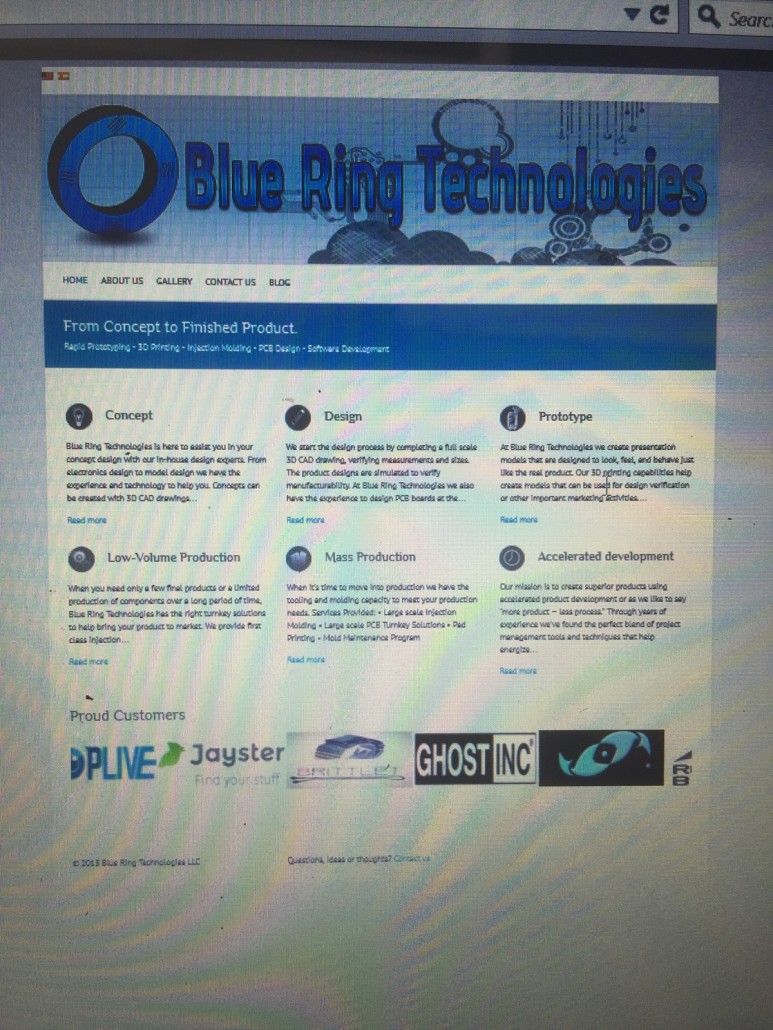
New Blue Ring Technologies Website! We’re proud to announce our brand new website for Blue Ring Technologies. Given the exponential growth of our company, we want to make sure that our storefront window to the world matches our dynamic progress. Our company started with the simple idea of “Concept to Finished Product” and we believe that our website should reflect this message. We are the only company in South Florida that can deliver an idea to the marketplace and manage every step in the process. Blue Ring has its own in-house design team, prototype equipment, and manufacturing facility to service all of our clients’ needs.

As you browse through our new website, check out our new gallery pictures, which include some of the cutting-edge engineering drawings drafted by our design team. You’ll also find a range of our products manufactured with our injection molding machines, as well as innovative prototypes created by our 3D printers.

img_9743-773x10301

Our old website lacked a lot of crucial elements for our business. Clients struggled to navigate the site and it didn’t properly feature what we wanted to focus on – Blogging! We want to put a major emphasis on our ability to periodically inform clients and the general public about all the unique things happening at our shop. Our company represents a new concept that we are coining as “American Neomanufacturing”. Our manufacturing facility is affordable, nimble, and accessible and these advantages have been essential to our phenomenal success. We needed a website that would showcase how we accomplish this, while also educating and inspiring inventors, entrepreneurs and business professionals throughout our community. This website was collaboratively designed by highly creative and talented individuals who understand and support what we’re trying to accomplish. I would like to personally thank Trey Opp Trey@bodytekfitness.com for spearheading the redesign of this website, as well as Jesse Azueta for his creative images and one-of-a-kind artistic style. I would also like to thank Leah McNaughton for establishing the foundation of this site and supporting the complex backend development that gives us the flexibility and functionality that we need. So come check us out: www.blueringtechnologies.com

Blue Ring 3D printing

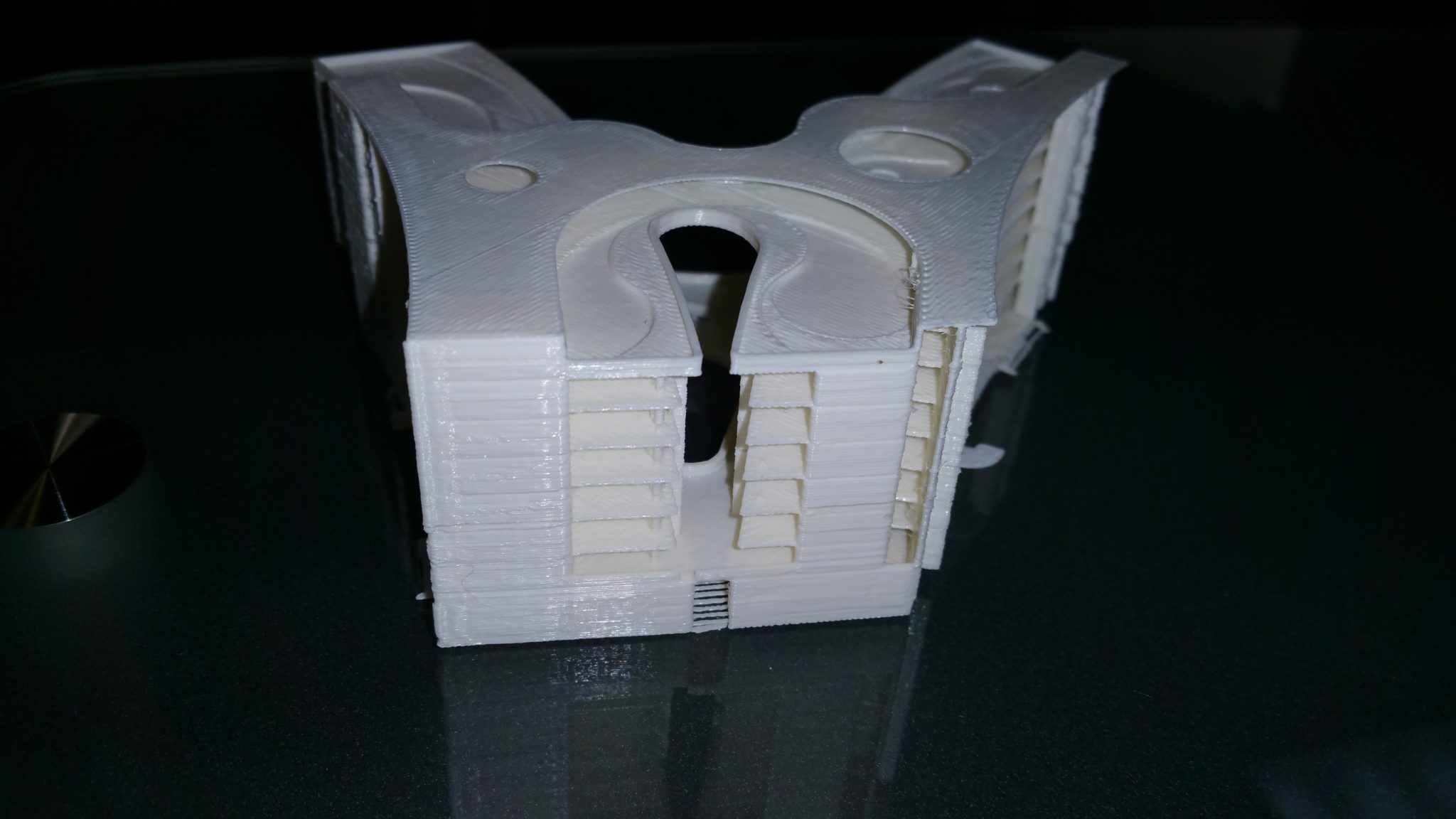
3D Printing is one of the hottest new technologies in the manufacturing and DIY markets. However, the history of 3D printing actually stretches back to the 1980s. The 3D-printing world started with an SLA (Stereolithography Apparatus), which uses ultraviolet light to cure a resin and ultimately result in your desired shape or part. Then came SLS (Selective Laser Sintering), which employed a laser as the main technology to provide the fine bonding between different layers to create more complex parts. Ultimately, FDM (Fused Deposition Modelling) came on the scene, which is a technology we all love, as it provided the market with entry-level 3D printers, making them much more affordable than the earlier versions. FDM technology consists of a plastic filament being placed layer by layer until a complete model is created. At Blue Ring Technologies, we utilize a professional-grade FDM printer with ultra-high resolution and ABS plastic filaments, which is the most common type of plastic that our clients use for Injection Molding. Unlike entry-level 3D printers, our professional-grade option has two essential advantages: repeatability and support material. By repeatability, we mean the ability to create an engineered plastic part with a .003-inch degree of accuracy many times over. Most entry-level 3D printers will create slightly distorted or even incorrectly sized parts, resulting in a major lack of consistency. Support material is the second crucial advantage, particularly when creating parts with overhanging features. This is simply something that entry-level 3D printers cannot deliver, whereas our cutting-edge printers masterfully shape these complicated elements. As a result of our innovative technology at Blue Ring Technologies, we provide clients with an engineering-level quality of rapid prototyping that is both timely and affordable. We can go through several iterations of a part within a single day to meet every one of our client’s specifications. Check out a few of our 3D printed projects that we have created for clients over the years: